
Essential Features Of Modern DevSecOps Tools

Policy Enforcement and Compliance Features
Policy enforcement within DevSecOps platforms aims to formalize security expectations at both the code and infrastructure levels. By defining security rules and standards as code, teams can automate their application during the build, test, and deployment phases. This practice helps reduce inconsistencies and ensures that minimum security thresholds are routinely met.
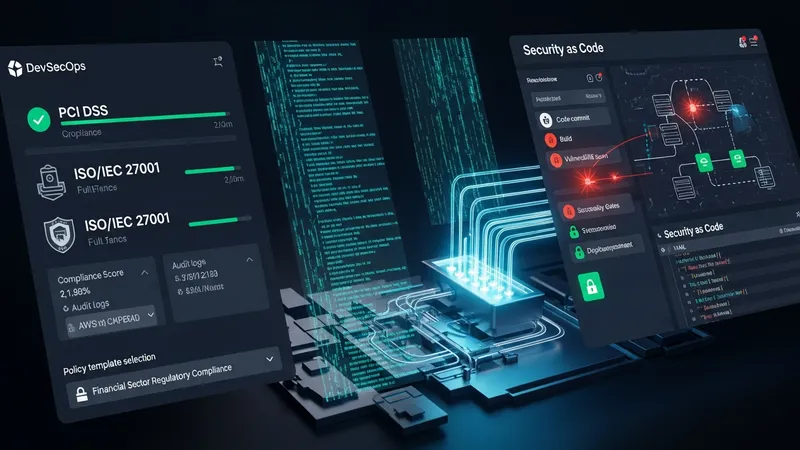
Compliance tracking features allow organizations to align with industry regulations or audit needs. Modern DevSecOps tools often provide built-in frameworks for regulatory requirements, which may include templates for standards such as PCI DSS or ISO/IEC 27001. These templates can typically be customized, ensuring organizations align controls with their specific risk assessments and compliance goals.
For example, Veracode Static Analysis offers policy management features where different security gates can be configured based on project type or deployment context. Integration with reporting modules allows for comprehensive documentation of compliance status and security findings, which can be particularly useful during external audits or regulatory reviews.
Real-time enforcement of security policies in DevSecOps pipelines may help reduce risks of last-minute vulnerabilities reaching production. Alert systems integrated into these tools generally inform responsible personnel about deviations from policy, providing a documented trail for issue tracking and remediation.