
Essential Features Of Modern DevSecOps Tools

Automation Capabilities in Modern DevSecOps Tools
Automation is frequently cited as a critical aspect of DevSecOps solutions. By automating repetitive and complex tasks, project teams can consistently apply security controls across large codebases or distributed infrastructure. Automated scanners may check third-party library versions, code quality, and potential misconfigurations at each code commit. Such checks can typically be configured for frequency, scope, and severity thresholds, providing a flexible approach that adapts to development pace.
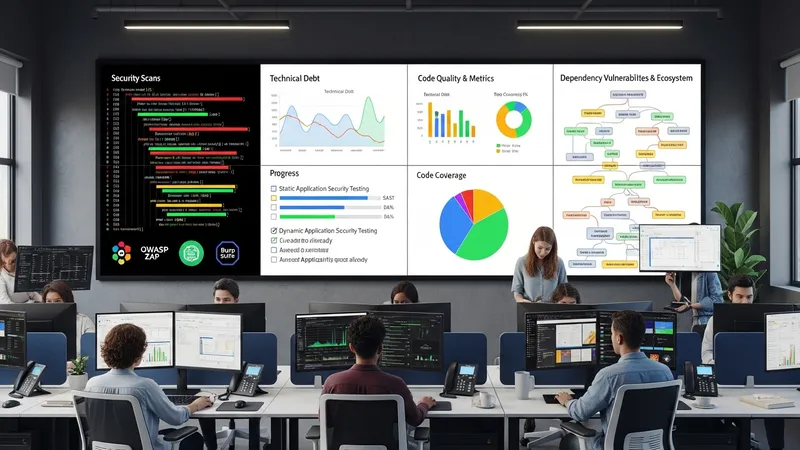
Tools like Snyk and OWASP Dependency-Check may deliver automated vulnerability checks as part of the build and deployment pipeline. The automation of these security tests can help reduce manual review workloads and may lead to faster identification of critical risks. While the automation scope often depends on project complexity, even smaller teams may benefit from pre-built scanning templates available within these platforms.
Automated remediation is a developing area within DevSecOps. Some tools can not only detect vulnerabilities but may also suggest or automate fixes, reducing mean time to remediation (MTTR). For example, dependency analysis tools might prompt upgrades to safe versions of libraries or modules. Cautiously adopting these automated features can reduce manual intervention, but oversight is typically recommended to handle edge cases or false positives.
Automation in DevSecOps also extends to compliance requirements. Security policies relevant to regulatory frameworks or corporate standards can be encoded as rules within the pipeline, automatically blocking non-compliant builds. This approach brings consistency and auditability while aligning security operations with continuous delivery models.