
Dental Implants: Understanding Screwless And Traditional Options

Durability Considerations for Dental Implants in Australia
The longevity of both screwless and traditional dental implants in Australia generally depends on factors such as the patient’s oral hygiene, systemic health, and the quality of bone supporting the implant. Scientific literature reports that, when maintained appropriately, implant-supported crowns may last between 10–20 years or longer. Experts often highlight the importance of routine follow-up appointments to monitor implant stability and gum health.
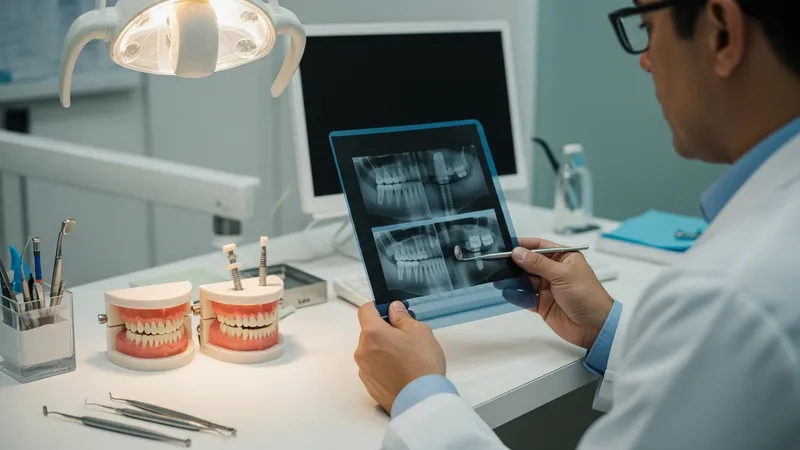
Screw-retained implants are sometimes preferred for their ease of retrieval. Dentists can typically remove and replace the crown without disturbing the implant fixture beneath. This approach may support straightforward repairs in the event of crown fracture or wear, potentially reducing disruption to surrounding tissues.
Screwless (cement-retained) implants, while valued for their aesthetics, require careful cementation. Retained dental cement below the gum line can increase the risk of local inflammation. As a result, dental professionals in Australia are trained to use specialized materials and techniques to minimize this risk and promote safe outcomes.
Material selection also influences durability. Australian implant providers commonly use titanium or zirconia due to their biocompatibility and strength, in line with regulatory guidance from institutions such as the Therapeutic Goods Administration (TGA). Patients are typically advised of the expected lifespan of their chosen system and provided with instructions for care tailored to the specific implant type.