
Dental Implants: Understanding Screwless And Traditional Options

Procedural Differences in Dental Implant Placement
The placement process for screw-retained implants in Australia usually begins with a surgical procedure to embed a titanium or zirconia post into the jawbone. After a healing period—often several months to allow bone integration—the crown is attached using a specially designed screw. This method enables future access to the implant through the crown, if professional intervention is needed.
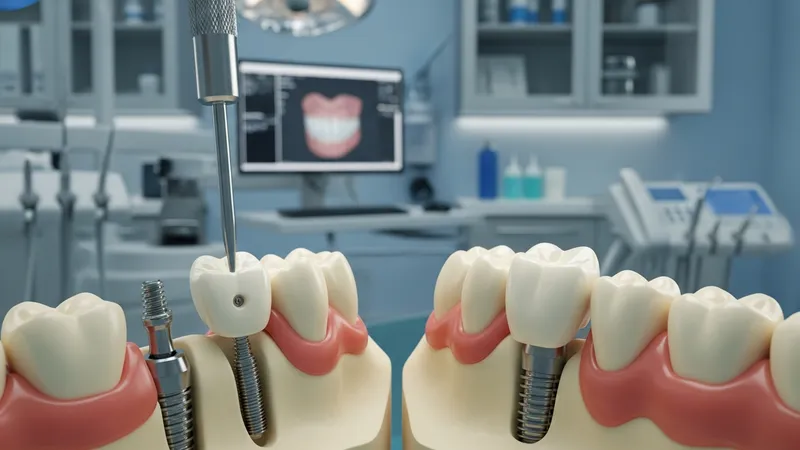
Screwless, or cement-retained, implant procedures follow a similar initial surgical approach. The post and abutment are positioned within the jawbone, but instead of screwing the crown into place, dental cement adheres the prosthetic tooth to the abutment. This often produces a seamless look, as there are no visible screw holes in the surface of the tooth.
Hybrid implant systems used in some Australian clinics may combine these elements. For example, a screw-retained abutment is placed first, and a crown is cemented on top. This variation can suit complex cases where both stability and aesthetics are important considerations.
Local dental professionals in Australia assess patient eligibility through diagnostic imaging, medical history evaluation, and discussions of factors like bone density. All major steps are performed under regulated clinical conditions, in alignment with standards set by the Australian Dental Association and related bodies.