
Dental Implants: Exploring Benefits And Potential Considerations

Eligibility and Considerations for Dental Implants in Australia
Eligibility for dental implant placement in Australia is determined by a comprehensive evaluation that includes oral health analysis, bone density assessment, and consideration of medical factors. Sufficient bone volume and healthy gum tissue are typically required for successful osseointegration. Patients with systemic health conditions, such as diabetes or clotting disorders, may require additional pre-surgical evaluation and medical clearance.
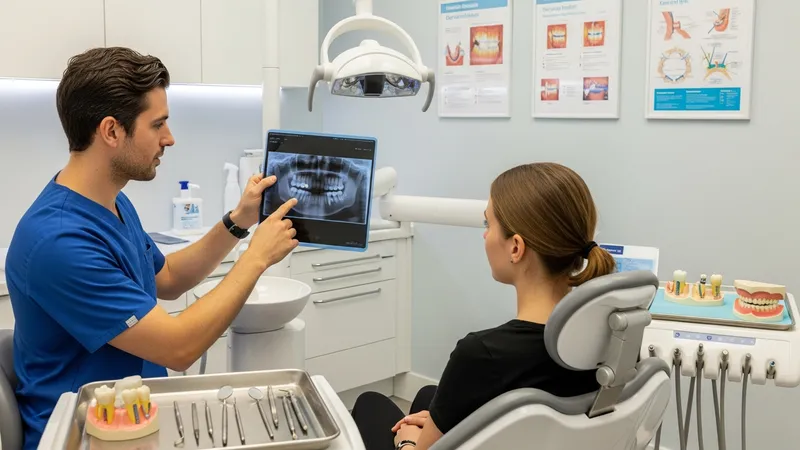
Age is not an absolute contraindication for dental implants, but candidates must have completed jawbone growth, which is usually after late adolescence. In some cases, bone grafting or sinus lift procedures may be discussed to improve anatomical support for the implant. These adjunctive procedures can extend the total treatment duration and may impact cost projections.
Potential risks associated with dental implant surgery may include infection, nerve disturbance, or incomplete integration of the implant with bone. These outcomes are considered uncommon and are generally minimized through adherence to industry protocols and periodic reviews by the treating clinician. Regular monitoring during the healing period aids in early detection of complications if they arise.
Individuals interested in implant placement are often advised to maintain optimal oral hygiene and attend follow-up appointments as instructed by their dental professional. Smoking and certain medications may negatively influence healing and long-term stability of implants. Transparent discussions about unpredictable variables and realistic expectations commonly form part of the informed consent process.