
Dental Implants: Exploring Benefits And Potential Considerations

Treatment Stages for Dental Implants in Australia
The dental implant treatment process in Australia is typically divided into multiple stages, ensuring both clinical safety and optimal outcomes. The initial phase involves comprehensive assessment where dental practitioners collect medical and dental histories, conduct oral exams, and arrange diagnostic imaging. This stage helps identify eligibility and potential factors that could influence the treatment timeline.
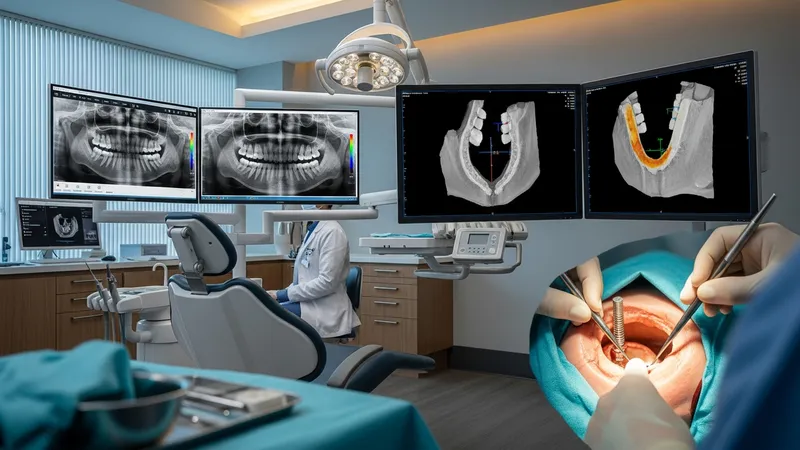
Following assessment, the surgical phase entails placing the implant post in the jawbone. Depending on the case, this procedure may be carried out under local anaesthesia with conscious sedation or, in select situations, general anaesthesia. After implant placement, a healing period is commonly required for osseointegration, which can take several months to complete.
Once integration has been confirmed, an abutment is typically attached to the implant. This component serves as the structural link between the post and the forthcoming dental prosthesis. Soft tissue healing may also occur around this time, and temporary restorations may be utilized if necessary for function or appearance during the interim.
The final stage involves the fabrication and placement of the prosthetic crown, bridge, or denture. Modern dental technologies, such as digital impressions and CAD/CAM systems, may facilitate accurate restoration design. Ongoing reviews and maintenance appointments are generally recommended by dental professionals to monitor the health of both the implant and surrounding tissues.