
Dental Implants Cost: Key Factors That Influence Treatment Pricing

Material choices and laboratory contributions to implant-related costs
Materials used for implant fixtures, abutments, and crowns can vary in composition and manufacturing process, and those differences often affect pricing. Common implant fixtures are typically made from titanium or titanium alloys, while full ceramic fixtures and zirconia components are alternatives in certain cases. Abutments can be prefabricated stock pieces or custom-milled components, and crowns may range from layered ceramics to monolithic zirconia. Each material choice may influence durability expectations, esthetic outcomes, laboratory time, and thus the restorative portion of the fee.
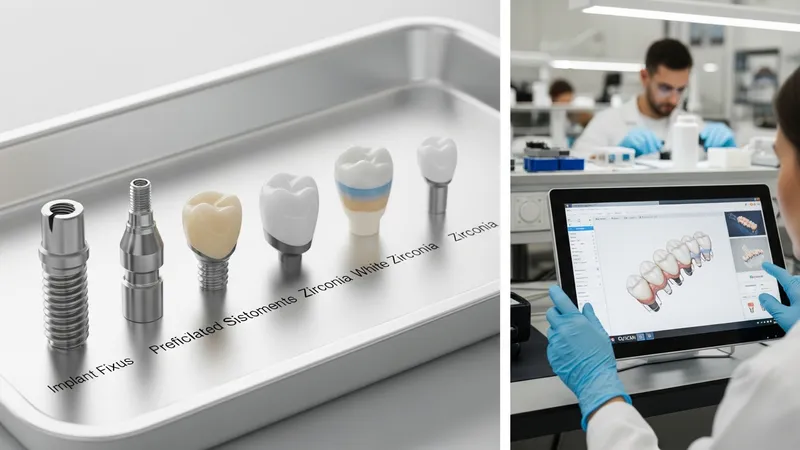
Laboratory involvement contributes significantly to restorative pricing. Custom prosthetics require model fabrication, digital design, milling, sintering, and staining or glazing steps performed by dental technicians. Complex occlusal schemes or multi-unit restorations require additional adjustments and verification steps that may be reflected as separate lab charges. Where digital workflows are employed, the cost distribution can shift: clinics may absorb scanning and design time while reducing external lab invoicing, or they may outsource design and milling, creating discrete lab fees on the patient estimate.
Temporary restorations during osseointegration also have cost implications. Provisionals may be fabricated chairside or by a laboratory; their material and workmanship level can affect the restorative plan and associated charges. Clinicians frequently communicate anticipated provisional phases as part of a staged estimate, noting that provisionalization can protect function and esthetics while affecting total treatment costs across appointments rather than as a single restorative line item.
Quality control and warranty-type policies for laboratory work may influence perceived value, though these are contractual rather than clinical guarantees. When comparing material pathways, it is often informative to consider both upfront material fees and longer-term servicing or maintenance implications. These comparative factors can help explain why similar restorative outcomes may be achieved through different material and lab routes that vary in cost structure.