
Dental Implants Cost: Key Factors That Influence Treatment Pricing

Clinical assessment and diagnostic factors that influence implant treatment pricing
Initial clinical assessment often sets the foundation for subsequent cost considerations. A comprehensive evaluation may include medical and dental histories, soft-tissue assessment, periodontal status, and occlusal analysis. Imaging choices range from periapical radiographs to three-dimensional cone-beam computed tomography; more advanced imaging can provide detailed anatomic information but may add to the diagnostic portion of the bill. Clinicians commonly use the diagnostic findings to estimate whether preparatory steps such as extractions or tissue management are necessary, which may increase the overall treatment sequence and associated fees.
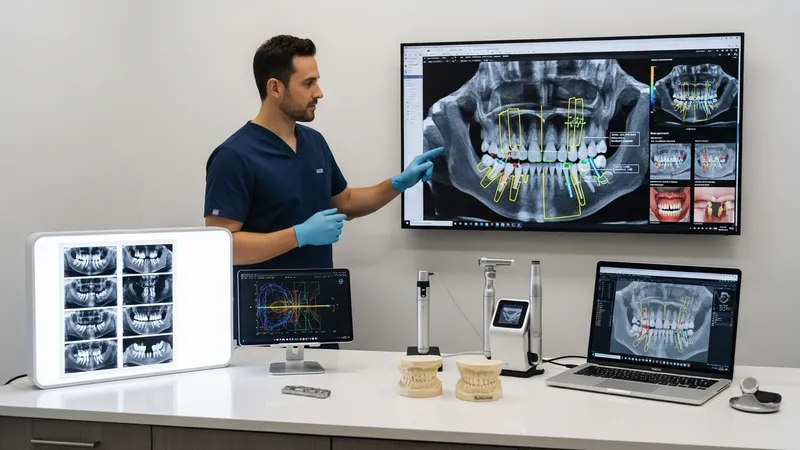
Diagnostic models and digital planning tools may be used to simulate implant positioning; such planning can reduce intraoperative variability but may represent an additional line item. In complex cases, a multidisciplinary conference — involving oral surgeons, periodontists, and prosthodontists — could be part of preoperative planning and affect scheduling and cost allocation. These planning activities often aim to reduce later complications, though they may increase upfront diagnostic expenses.
Bone quality and quantity commonly influence decisions about grafting, sinus augmentation, or staged approaches. Sites with inadequate bone often require additive procedures that extend healing time and require additional materials. Clinicians may reference widely used classification systems for bone quality to inform choices, which can affect the projected number of visits, anesthesia needs, and implant selection. These clinical determinants typically play a predictable role in how a treatment estimate is structured.
Practical considerations relevant to patients include the expected number of visits and potential for ancillary appointments such as laboratory adjustments or temporization. Providers may outline alternative sequencing options, each with different implications for time and cost. Viewing the diagnostic phase as a planning investment may help clarify why early-stage expenses can influence downstream efficiency and pricing.