
Dental And Vision Insurance: Key Considerations For Small Business Owners

Provider networks, access, and service coverage considerations for small business owners
Provider networks determine where employees can receive covered services and at what reimbursement levels. Dental PPO networks typically allow visiting in-network or out-of-network providers, with higher patient cost-sharing for out-of-network care; dental DHMOs often require members to select a primary provider within a narrower network and may impose service referral rules. Vision networks usually list participating optical retailers and ophthalmologists or optometrists. The ease of finding in-network providers and the geographic distribution of network members are practical considerations for dispersed or rural workforces.
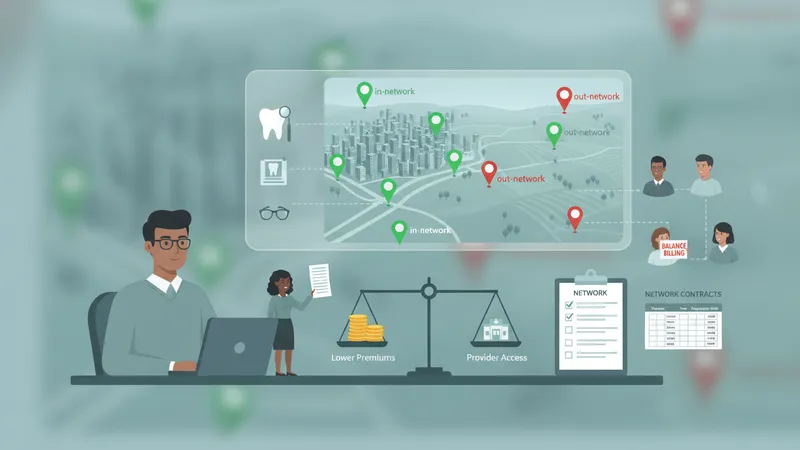
Network reimbursement structures and negotiated fees can affect employee costs and provider participation. In-network negotiated rates usually result in lower charges to plan members and streamlined claims handling; out-of-network care may involve balance billing and claims submission responsibilities for patients. For small employers considering narrower networks that reduce premiums, it is important to weigh potential access limitations and employee preferences for specific providers, as these factors can influence benefit utilization and satisfaction.
Prior authorization, pre-treatment estimates, and referral requirements may apply for certain dental procedures or specialized vision services. Some plans require preauthorization for costly procedures such as implants or orthodontic work, which may affect the timing and approval process for care. Understanding administrative processes related to authorizations can help employers provide accurate guidance to employees and anticipate potential delays in service delivery or claims processing.
Coordination with other benefits, such as flexible spending accounts (FSAs) or health savings accounts (HSAs), can influence how employees pay for services that exceed plan limits. While FSAs commonly cover eligible dental and vision expenses, eligibility and tax-advantaged treatment of contributions can vary by jurisdiction. Employers may consider how benefit offerings integrate with existing payroll deductions and voluntary benefits to present a coherent set of options that employees can use alongside insurance coverage.