
Dental And Vision Insurance: Key Considerations For Small Business Owners

Cost factors: premiums, deductibles, and copayments for small business owners
Premiums represent the recurring cost to maintain dental and vision policies and may be split between employer and employee in group offerings. Employers typically determine contribution levels as a fixed share or fixed dollar amount toward premiums. Deductibles, where used, require insured individuals to pay a specified amount before certain coverages begin; these are more common for non-preventive dental services. Copayments or coinsurance may apply to exams, procedures, or materials in both dental and vision plans. Recognizing how each element interacts can illuminate likely monthly and annual expenses for both parties.
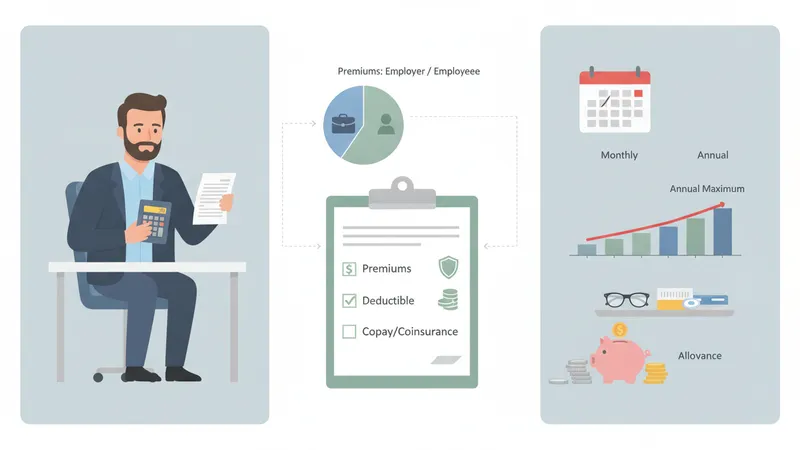
Annual maximums for dental plans are another cost-limiting factor to consider; once the plan’s maximum is reached, insured individuals may be responsible for additional costs. Vision plans may use annual allowances instead of maximums for frames or contact lenses. Some employers choose to fund a larger share of premiums for preventive services and leave higher-cost procedures to employee cost-sharing, which may help manage short-term budget planning while maintaining baseline care access. These approaches may align with organizational objectives such as workforce health maintenance or cost containment.
Cost variability across geographic regions and provider networks can influence realized premiums and out-of-pocket charges. In areas with higher provider fees, insurers’ negotiated rates and tiers can affect premium levels. Employers might consider the impact of network breadth on expected claims and premiums, since broader networks can increase access but may affect premium pricing. Small employers often weigh cost predictability and administrative simplicity against the desire to offer comprehensive coverage when evaluating plan options.
When estimating budget impacts, employers may model typical utilization scenarios—such as a workforce average of preventive visits per year or anticipated rates of major dental procedures—to approximate expected costs. These models may help forecast premium trends and employee contribution levels over time. However, such projections are inherently uncertain and should be presented as illustrative rather than definitive, with attention to how plan design features could change utilization and cost distributions.