
Data Center Thermal Management: Key Strategies For Optimizing Cooling Efficiency

Airflow Control in Data Center Thermal Management
Effective airflow management is fundamental in maintaining temperature stability within Canadian data centers. Strategically positioning cooling units and rack enclosures may help direct airflow to where it is needed most. Perforated floor tiles and aisle containment systems often ensure cold air reaches equipment inlets efficiently. Inconsistent airflow patterns can contribute to overheating, making regular assessments crucial for mitigating risks.
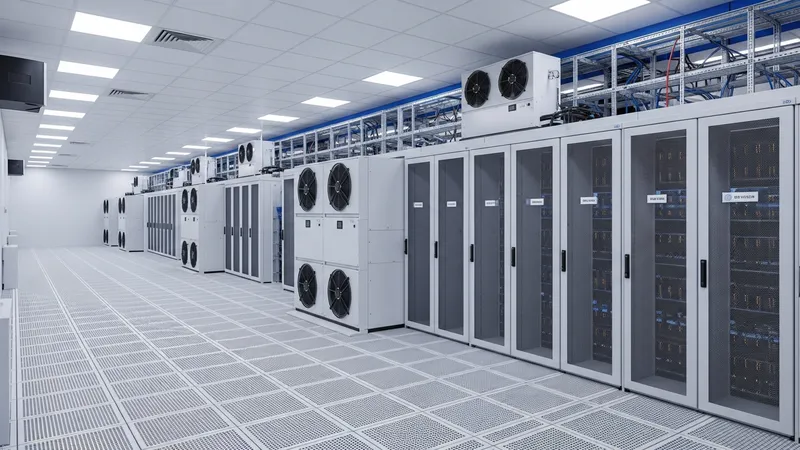
Sealing cable cutouts, closing unnecessary gaps in flooring, and using blanking panels to cover unused rack spaces are established practices to reduce unwanted air recirculation. These methods, commonly found in Canadian data center designs, aim to limit mixing of hot and cold air, improving the effectiveness of existing cooling infrastructure. Periodic inspections and adjustments are typically recommended to sustain efficiency.
Computational fluid dynamics (CFD) modeling is sometimes applied to simulate and visualize airflow within data centers. Using CFD analysis, Canadian operators may identify possible hotspots and refine arrangements of racks or cooling units before implementing physical changes. Adjustments informed by computer modeling can often lead to more predictable temperature patterns and reduced energy expenditure for cooling.
Facility managers often use airflow sensors and thermal imaging as routine diagnostic tools for ongoing monitoring. These assessments enable prompt responses to airflow disruptions caused by equipment changes or increases in server density. By maintaining consistent airflow control, data centers across Canada can better manage thermal loads and uphold equipment reliability.