
Data Center Thermal Management: Key Strategies For Optimizing Cooling Efficiency

Data center thermal management involves a combination of airflow design, cooling methods, sensor monitoring, and infrastructure planning to maintain equipment within recommended temperature ranges. Achieving reliable operation in data centers requires careful coordination of multiple strategies that support consistent cooling, minimize thermal hotspots, and manage power consumption. The primary objective is to sustain optimal performance levels while protecting sensitive hardware from potential overheating or thermal-related failures.
The process typically integrates both physical and digital approaches. Physical methods may include arranging server racks to separate hot and cold air streams, while digital management uses sensors and automation to regulate cooling systems. Canadian facilities often consider local climate variations, energy pricing, and compliance standards. These factors, combined with advances in cooling technologies, influence thermal management approaches used across the country.
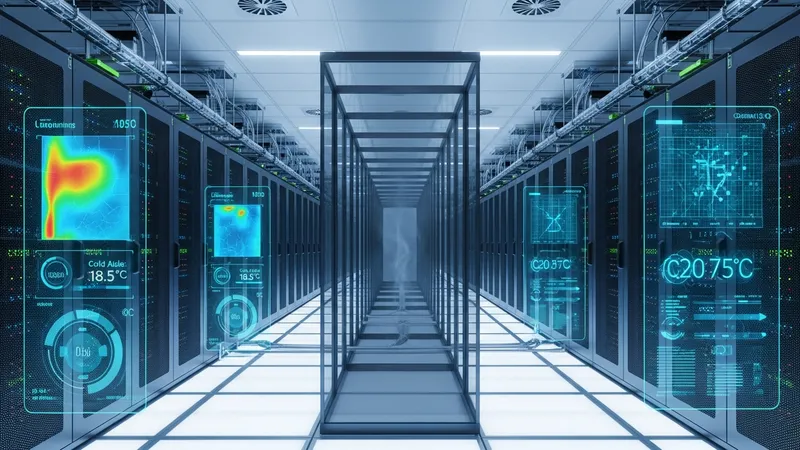
- Cold Aisle/Hot Aisle Containment: This configuration separates the flow of hot and cold air through arranged rows of server racks, reducing the mixing of air streams. Implementing containment in Canada may require investment ranging from CAD $8,000 to $30,000 per aisle, depending on the scale and chosen materials.
- Precision Air Conditioning Units: These specialized cooling systems provide stable temperature and humidity control designed for data centers. Equipment can be priced from approximately CAD $12,000 to $45,000 for mid-sized installations, with additional costs for integration and maintenance.
- Environmental Monitoring Sensors: Sensors monitor thermal patterns and trigger automated adjustments. Deploying environmental monitoring may range from CAD $3,000 to $15,000 per facility, depending on the number of sensors and monitoring complexity required.
Cold Aisle/Hot Aisle Containment is a widely recognized technique to improve cooling efficiency. By directing cold air to server inlets and containing hot air exhaust, these layouts can reduce unnecessary workload on cooling equipment. Canadian data centers using this method often report steadier rack temperatures and the potential for reduced energy use compared to unmanaged layouts.
Precision air conditioning units differ from commercial HVAC systems by maintaining tighter environmental tolerances needed for sensitive server installations. These units are designed for continuous operation and may offer variable cooling outputs. Facilities in Canada typically select precision units to ensure temperature and humidity stay within safe operating margins year-round.
Environmental monitoring is becoming more prevalent in Canadian data centers. By using temperature, humidity, and airflow sensors, operators can identify potential hotspots and areas where airflow may be obstructed. Sensor data may be integrated with building management systems, supporting proactive maintenance and efficient allocation of cooling resources.
Costs associated with these methods usually depend on the size of the data center, scope of automation, and ongoing maintenance needs. Canadian facilities often factor in energy management incentives and regional climate considerations during planning. Investment in thermal management may result in greater resiliency, hardware longevity, and potentially lower energy consumption over the long term.
In summary, data center thermal management in Canada involves coordinated airflow design, advanced cooling systems, and digital monitoring to maintain optimal operation. The next sections examine practical components and considerations in more detail.