
Cybersecurity Software And Services: Key Components And Core Functions Explained

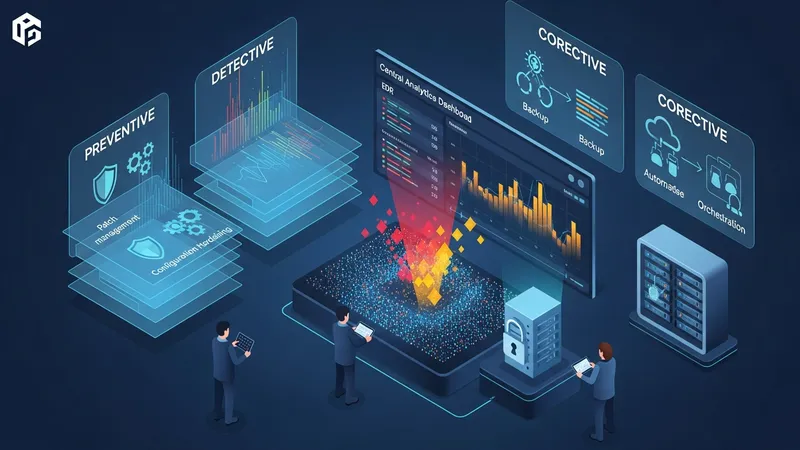
Categories and roles of cybersecurity software and services
Software and services in this domain fulfill different roles: preventive controls aim to reduce exposure, detective controls identify anomalous activity, and corrective processes restore systems after an event. Preventive examples include patch management and configuration hardening tools; detective examples include EDR and SIEM; corrective elements include backup and orchestration tools for remediation. Service models may be advisory, managed, or on-demand assistance for incident handling. When assessing categories, organizations often consider how components interoperate, which telemetry they share, and the operational burden of alerts and maintenance.
Coverage decisions often reflect an inventory-driven approach: critical assets typically receive greater monitoring and stricter access controls. Many organizations report handling hundreds to thousands of security events per day across combined telemetry sources, which underscores the need for correlation and prioritization. Integration patterns commonly include forwarding logs to centralized analytics, feeding identity events into access reviews, and using vulnerability data to focus patching. These practices can reduce noise and align technical controls with organizational risk tolerance.
Service delivery choices — in-house versus managed — tend to depend on available staff and required 24/7 coverage. Managed detection and response services may provide continuous monitoring and escalation pathways, while internal teams maintain intimate system knowledge and direct control over containment. Hybrid approaches are common: in-house teams handle tactical tasks and governance while external services address capacity or specialized forensic needs. Contractual clarity about responsibilities and data handling often influences the effectiveness of these arrangements.
Operational considerations include agent coverage, false-positive rates, update cadence, and platform compatibility. Agents can provide rich telemetry but may affect endpoint performance; cloud-native telemetry may require different collectors and permissions. False positives can consume analyst time, so tuning rules and leveraging threat intelligence to contextualize alerts often improves efficiency. These considerations may inform procurement and deployment strategies, with phased rollouts and pilot programs used to validate fit before broader adoption.