
Culinary Tourism: Exploring Local Food Experiences And Cultural Traditions

Cultural Preservation and Learning through Culinary Tourism
Culinary tourism frequently contributes to cultural preservation by showcasing recipes, methods, and stories tied to family or communal heritage. Many cooking workshops and guided food experiences are designed to pass on knowledge that may not be widely documented otherwise. As travelers engage with local experts or elders, they may discover nuances about ingredient use, preparation rituals, or festive customs unique to specific regions.
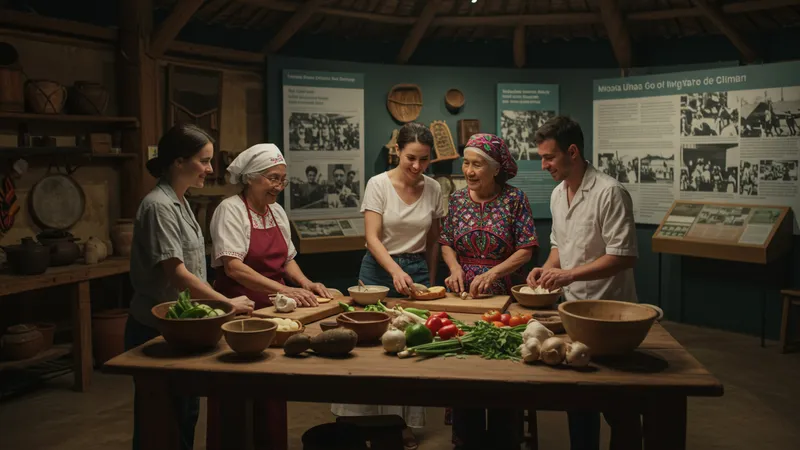
The educational aspect of culinary tourism is often emphasized through curated experiences, such as food-related museum exhibitions or guided heritage walks. These activities help contextualize culinary practices within broader narratives of migration, climate, or technological change. By participating in these experiences, travelers can gain a deeper appreciation for the evolving nature of food traditions and the challenges faced by communities aiming to preserve them.
Food storytelling is regarded as a valuable component of many culinary tourism offerings. Local narratives shared during workshops or tours may highlight resilient agricultural methods, adaptations to environmental conditions, or the social meanings of shared meals. These firsthand accounts can deepen cross-cultural understanding and nurture respect for food diversity among visitors.
Culinary tourism may also support the safeguarding of endangered products and practices, particularly in collaboration with local or international heritage organizations. While not every initiative has the same degree of impact, even modest projects—such as recipe archives or seed-saving collectives—can add to wider preservation efforts. The final section will consider considerations for responsible participation and evolving trends within culinary tourism.