
Culinary Tourism: Exploring Local Food Experiences And Cultural Traditions

Economic Impact and Community Role in Culinary Tourism
Culinary tourism can positively influence local economies by directing attention and spending toward small-scale producers, family-run eateries, and specialist food artisans. Markets, for example, may see increased traffic from tourists seeking authentic products, which can help support local agriculture and manufacturing. Participating in workshops or tours often brings additional income to independent instructors and guides, many of whom rely on these opportunities for a portion of their livelihood.
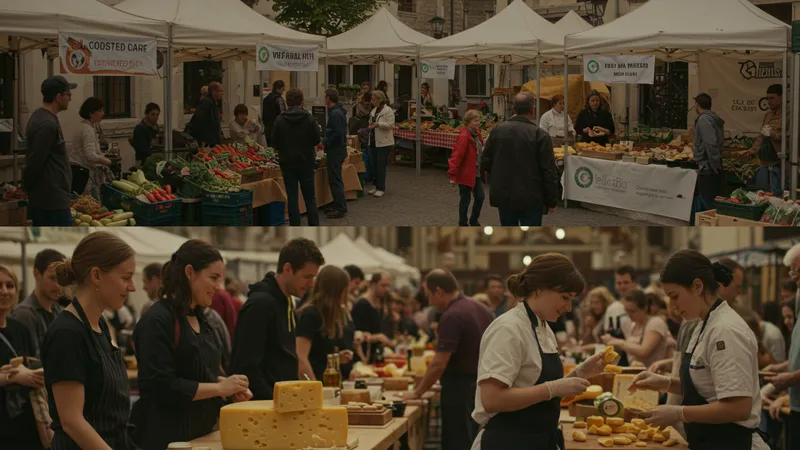
Festivals dedicated to certain foods or culinary traditions can shape seasonal tourism flows and elevate regional products. For instance, a cheese festival may attract visitors during periods that are less crowded otherwise, helping to distribute tourism benefits throughout the year. The increased interest generated by such events can sometimes contribute to the preservation or revival of traditional foodways that might otherwise decline due to modernization pressures.
Communities participating in culinary tourism frequently develop additional infrastructure, such as food museums, demonstration kitchens, or improved market facilities. These investments can have long-term benefits by encouraging return visits and promoting sustainable tourism models. However, the pace and pattern of this growth can differ widely depending on regional capacity and policy planning, as well as shifts in demand among travelers.
While culinary tourism is generally associated with beneficial economic outcomes, there may also be challenges. Over-commercialization or the loss of authenticity are concerns highlighted in some studies, as traditions could adapt in response to visitor preferences. Ongoing dialogue between community members, tourism professionals, and visitors is considered important to balance economic opportunity with the preservation of local identity. The next section focuses on cultural preservation and the educational possibilities of culinary tourism.