
Cosmetic And Toiletry Wholesaling: Insights Into Supply Chain Processes

Technology Integration in Cosmetic and Toiletry Wholesaling Supply Chains
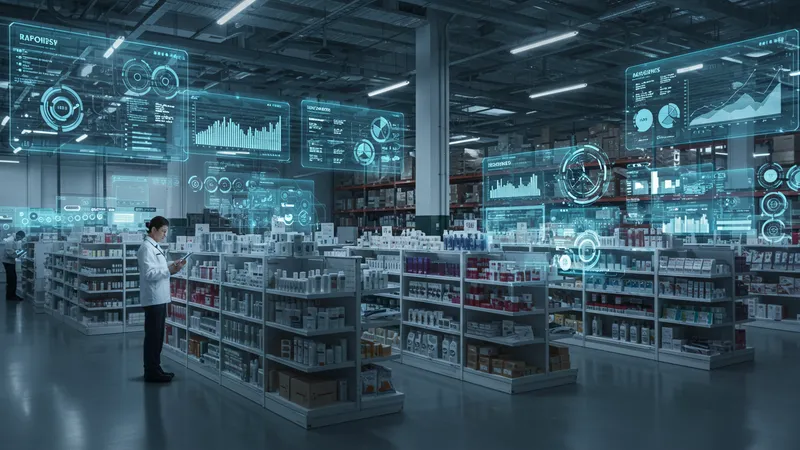
Technology adoption has become increasingly prevalent in cosmetic and toiletry wholesaling supply chains. Many wholesalers implement enterprise resource planning (ERP) systems, which can centralize logistics, manage inventory, and facilitate accounting. These technologies may help streamline operations, enhance transparency, and provide real-time data for informed decision-making.
Digital communication platforms are often used to coordinate with manufacturers, suppliers, and retail customers. Such platforms allow for efficient order processing, shipment tracking, and collaborative planning. By digitizing communication, wholesalers can reduce manual errors, accelerate response times, and improve overall reliability across the supply chain network.
E-commerce integration is expanding within the wholesaling space as retailers increasingly seek online ordering options for restocking. Custom portals provide clients with up-to-date product availability, pricing, and ordering capabilities. Automated systems may trigger inventory alerts and replenishment orders, supporting higher service levels and minimizing manual administrative workload.
Data analytics and reporting tools are useful for tracking sales patterns, monitoring fulfillment rates, and identifying process bottlenecks in the supply chain. Some wholesalers leverage predictive analytics to forecast demand changes linked to seasonal trends or promotional campaigns. With these insights, inventory and shipping practices may be adjusted to better align with end-customer needs.