
Cosmetic And Toiletry Wholesaling: Insights Into Supply Chain Processes

Compliance and Quality Assurance in Cosmetic and Toiletry Wholesaling
Compliance with industry regulations is an essential aspect of cosmetic and toiletry wholesaling. Wholesalers are tasked with ensuring that all distributed products meet applicable standards for ingredients, labeling, and packaging according to relevant authorities. This responsibility often involves verifying compliance documentation from manufacturers and conducting periodic internal audits of inventory and shipping records.
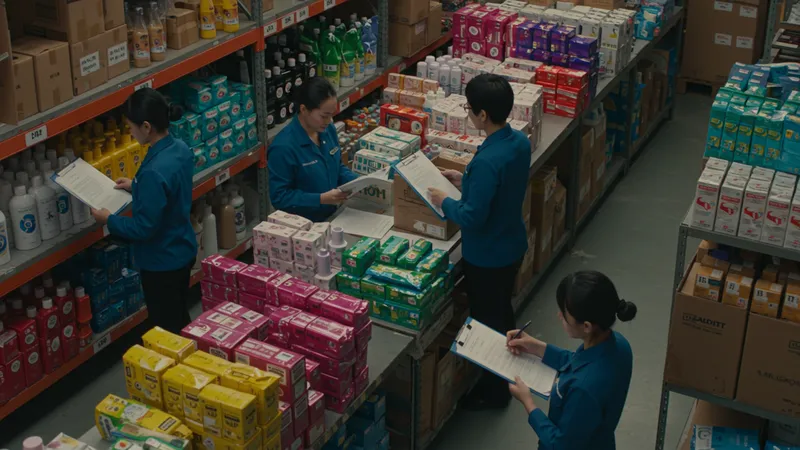
Product authenticity and quality are closely monitored within the wholesale supply chain. Wholesalers may request certificates of analysis or conformity from suppliers, particularly for new items or brands entering the market. Spot checks and physical inspections are sometimes performed to verify proper packaging conditions and to detect issues such as tampering or contamination before goods reach retailers.
Regulations governing cosmetic products can vary significantly across markets, influencing how wholesalers manage cross-border logistics and documentation. For internationally sourced goods, wholesalers may need to arrange additional compliance verifications or, in some cases, coordinate legal import requirements to ensure products are suitable for local sale. Documentation practices are crucial for audit readiness and transparency during regulatory checks.
The management of product recalls is another critical area. Wholesalers typically maintain traceability systems to quickly identify and communicate with affected retailers in the event of a recall. Proper documentation and systematic recall protocols can help maintain market confidence and adherence to consumer safety guidelines without causing unnecessary disruptions in the wider supply chain.