
Cosmetic And Plastic Surgery: Understanding Common Procedures And Outcomes

Postoperative Care, Recovery Trajectories, and Outcome Measurement in Cosmetic and Plastic Surgery
Postoperative care frameworks commonly include wound monitoring, activity guidance, and scheduled follow-up visits to assess healing and identify complications. Early postoperative checks often focus on wound integrity, signs of infection, and pain control, while later visits may evaluate scar maturation and functional recovery. Rehabilitation interventions—such as physical therapy for range of motion or scar management techniques for cutaneous procedures—may be part of the recovery pathway. Clinicians typically describe expected timeframes for milestones in recovery while noting that individual variation is common.
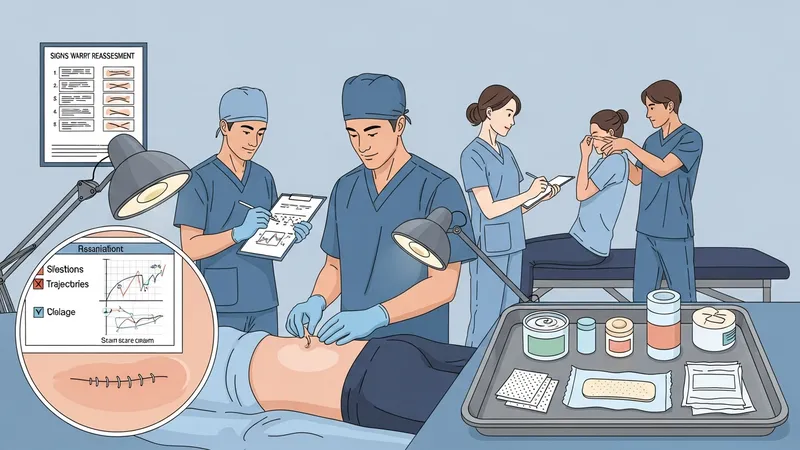
Monitoring for and managing complications is an integral part of postoperative care and generally follows established clinical pathways. Early complications can include bleeding, infection, or wound separation, while later issues may involve contour irregularities, sensory changes, or delayed healing. When complications arise, clinicians typically describe a set of potential responses—such as local wound care, bedside procedures, or further surgical intervention—framed as possible options rather than guaranteed necessities. Clear communication about signs that warrant clinical reassessment is commonly provided to patients as a precautionary measure.
Outcome measurement often combines clinician evaluation with patient-reported outcome measures to capture both technical results and the patient’s perspective on appearance and function. Photographic documentation at specified intervals is a standard method to track changes over time. Validated questionnaires—when available for a given procedure—can provide structured data on satisfaction, symptom burden, and quality of life. These measurement approaches are used to inform ongoing care and to support shared decision-making about potential secondary procedures or rehabilitation strategies.
Long-term follow-up considerations may include monitoring implant integrity, evaluating scar maturation, and assessing functional restoration over months to years. Secondary or revision procedures can be part of long-term care planning when adjustments are needed to address aesthetic or functional concerns. Access to multidisciplinary support services—such as physical therapy, lymphedema management, or psychological support—may assist recovery for some patients. These elements are described as components of comprehensive postoperative care and as considerations that may influence long-term outcomes rather than as guarantees of specific results.