
Cosmetic And Plastic Surgery: Understanding Common Procedures And Outcomes

Operative Techniques and Intraoperative Considerations in Cosmetic and Plastic Surgery
Operative technique selection is influenced by anatomy, tissue quality, and the procedural goal—reconstructive or aesthetic. Surgeons may choose between open, endoscopic, or percutaneous approaches depending on access needs and desired contouring. Tissue handling, preservation of vascular supply, and decisions about implants versus autologous tissue are technical factors that can influence healing and appearance. Intraoperative monitoring of bleeding, perfusion, and tissue viability is routinely used to guide immediate decisions. These intraoperative considerations are presented as typical clinical variables rather than prescriptions for any specific case.
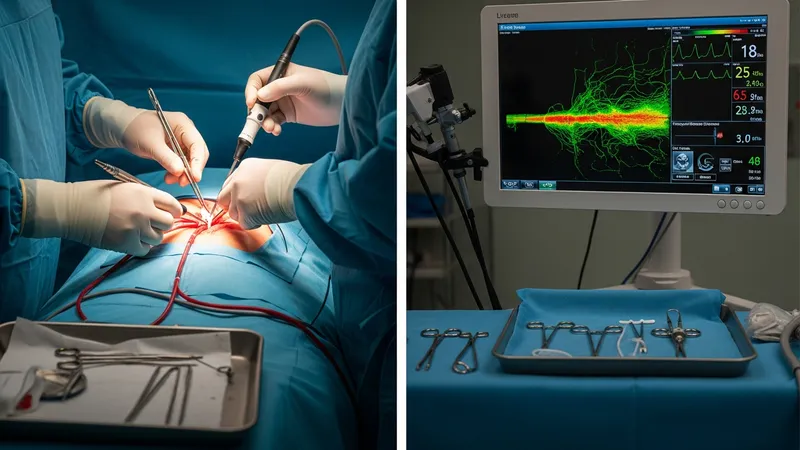
Sterile technique and perioperative infection prevention are standard intraoperative priorities across procedure types. Use of prophylactic antibiotics, skin preparation protocols, and sterile draping are common elements intended to reduce infectious complications, with specific practices varying by institution and procedure. Hemostasis and minimising tissue trauma may be emphasised to support wound healing. When implants or foreign materials are used, surgeons may discuss material selection and placement options as factors that can affect both early and late outcomes; these are technical considerations rather than endorsements of specific products.
Anesthesia type and intraoperative analgesia are additional considerations that may affect immediate recovery. Local anesthesia with sedation may be appropriate for some procedures and typically allows faster discharge, whereas general anesthesia is used for more extensive operations and may require longer postoperative monitoring. Pain control strategies, including multimodal analgesia, are commonly applied to manage postoperative discomfort and may influence mobility and early rehabilitation. These choices are usually tailored to the procedure and patient factors and are discussed to inform expectations.
Intraoperative documentation and immediate postoperative planning help establish a baseline for recovery. Photographic records, operative notes describing techniques and materials used, and explicit instructions for early care are routine outputs of the operative episode. These records facilitate continuity of care, guide postoperative assessments, and serve as references if unexpected issues arise. Emphasising documentation and clear handover procedures is a common practice aimed at supporting safe transitions to recovery monitoring rather than guaranteeing specific healing trajectories.