
Cosmetic And Plastic Surgery: Understanding Common Procedures And Outcomes

Cosmetic and plastic surgery refers to a set of surgical and non-surgical procedures aimed at restoring form or altering appearance for functional or aesthetic reasons. Plastic surgery commonly includes reconstruction after trauma, congenital differences, or disease, while cosmetic procedures typically focus on modifying features to meet patient aesthetic preferences. Both areas overlap in technique, perioperative planning, and outcome assessment; surgeons may perform similar operative steps but with differing primary goals. Discussion of common procedures involves understanding procedural intent, typical timelines, and the clinical frameworks used to evaluate risks and benefits without implying specific outcomes for any individual.
Practices in this field often combine preoperative assessment, intraoperative technique, and postoperative care into coherent pathways that clinicians use to manage patients. Preoperative imaging, consultation about expectations, and assessment of medical suitability may be part of routine planning. Intraoperative choices—such as incision location, tissue handling, and use of implants or grafts—can influence healing trajectories. Follow-up care typically includes wound checks, activity guidance, and monitoring for complications. Descriptions below outline representative procedure categories and the considerations commonly associated with each, framed as informational examples rather than prescriptive advice.
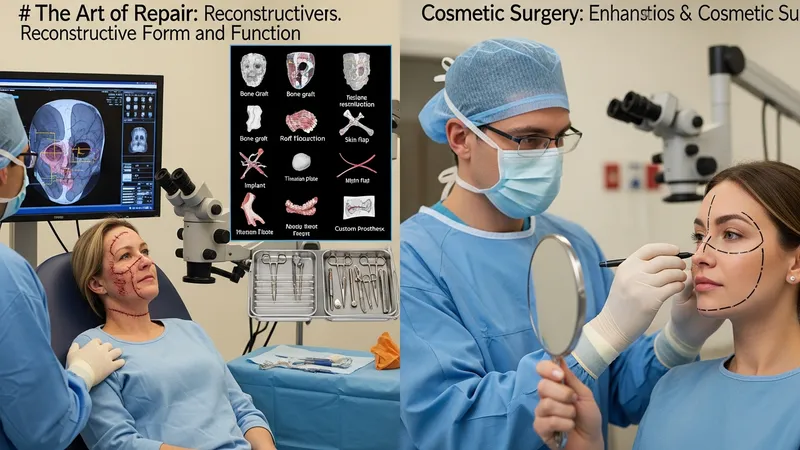
- Breast procedures — reconstructive and aesthetic options such as augmentation, reduction, and reconstruction after mastectomy; typically involve considerations of implant type, flap techniques, and postoperative monitoring.
- Facial procedures — interventions including rhinoplasty, blepharoplasty, and facelifts that address form and function of nose, eyelids, and facial soft tissues with attention to anatomy and scarring patterns.
- Body contouring and soft-tissue procedures — examples include liposuction, abdominoplasty, and contouring after weight loss; these often focus on tissue resection, contour refinement, and skin management.
- Reconstructive procedures — techniques such as skin grafting, flap transfers, and cleft repair that aim to restore structure and function after congenital conditions, injury, or oncologic resection.
Comparing these categories highlights differences in objectives and typical clinical workflows. Reconstructive procedures often prioritise functional restoration and may be staged over multiple operations, whereas cosmetic procedures commonly prioritise appearance and may be scheduled electively. Many procedures blend aims: for example, breast reconstruction after cancer combines oncologic considerations with aesthetic planning. Recovery patterns can vary by procedure type; some interventions involve short recovery phases measured in days, while others may require weeks to months for tissue remodelling. Outcome measurement frequently uses photographic documentation, patient-reported measures, and objective scales to track progress over time.
Risk assessment and informed discussion are central to decision-making across these examples. Clinicians typically evaluate medical history, comorbid conditions, and realistic expectations before recommending a surgical plan. Preoperative optimization—such as managing chronic illnesses, adjusting medications, and tobacco cessation where relevant—may be advised by providers as part of preparation. The informed discussion commonly includes potential complications that can occur with any invasive procedure, general timelines for healing, and the range of possible interventions for problems that may arise. These are presented as considerations rather than guarantees of outcome.
Technique selection and procedural staging often reflect anatomical variables and patient-specific goals. For instance, implant-based breast procedures may use different pocket planes or implant types depending on tissue characteristics, while flap-based reconstruction relies on vascular anatomy and donor-site considerations. Facial procedures depend on regional anatomy and the relative position of soft tissues and bony structures. Body contouring approaches vary with skin elasticity and distribution of adipose tissue. Surgeons often describe multiple technical options and may plan procedures to balance aesthetic aims with preservation of function and tissue viability.
Outcome evaluation generally combines clinician assessment with patient-reported outcomes and standardized scales where available. Assessment may include measurements of symmetry, scar appearance, sensory changes, and functional metrics such as range of motion or breathing function when relevant. Clinicians often schedule serial follow-ups to monitor wound healing and to identify complications early. Rehabilitation, scar management, and secondary revisions can be part of long-term care planning. These practices may vary by procedure type and clinical setting, and they typically aim to provide structured monitoring rather than guaranteed results.
In summary, cosmetic and plastic surgery encompasses a range of procedures—breast, facial, body contouring, and reconstructive interventions—that share common planning, technical, and follow-up frameworks. Each category presents distinct anatomic and functional considerations, and clinicians typically frame expected recovery and risks in probabilistic terms. The next sections examine practical components and considerations in more detail, including types of procedures, preoperative assessment, intraoperative technique, and postoperative care.