
Container Houses: Design Trends And Construction Methods For 2026

Structural reinforcement considerations for container housing
Reinforcement is often the first technical adjustment after modifying container shells. Cutting large openings for glazing or combining multiple units can interrupt the container’s original corner-bearing load path, so engineers commonly evaluate the altered geometry and specify added members such as boxed headers, C-channels, or continuous steel beams. Connections between new members and the existing shell may be bolted or welded; choice of method typically depends on available equipment, corrosion protection strategy, and expected movement. Temporary bracing during on-site modification is frequently used to control distortion until permanent elements are installed.
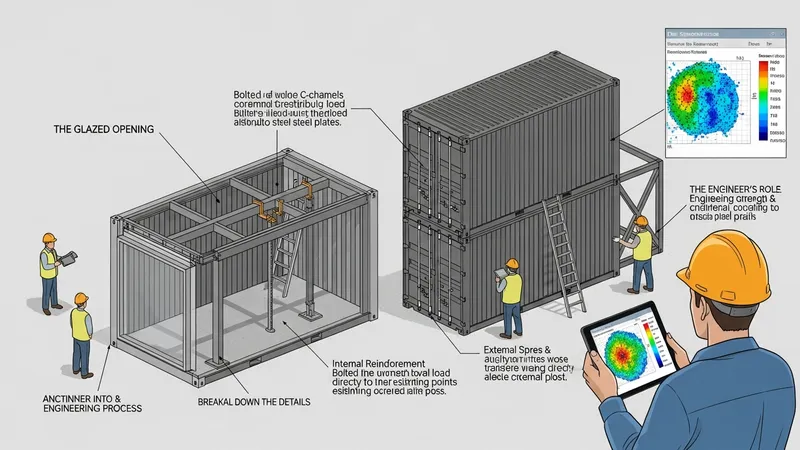
Load transfer between stacked containers usually relies on corner post alignment and supplemental plates or frames. When units are stacked more than two levels or span uneven loads, designers may introduce internal columns or external support frames to distribute vertical and lateral forces. Seismic and wind design considerations can necessitate diaphragms and cross-bracing to meet local codes. Engineering assessments often use finite element or simplified frame models to estimate stresses around cut-outs and to size reinforcement members conservatively without assuming unmodified container capacities.
Material condition and corrosion history affect reinforcement choices. Used containers may have localized corrosion near doors or on floor plates; addressing these conditions often involves removing degraded metal, applying rust converters, and welding in patch plates before adding reinforcement. Protective coatings, galvanic break measures, and maintenance access are important components of a long-term strategy. Designers sometimes prefer removable or replaceable reinforcement details that allow for inspection and future repair without major disassembly.
Construction sequencing influences reinforcement complexity. Off-site prefabrication of reinforcement frames can reduce on-site welding and exposure to weather, while site-installed splice plates may simplify transport. When reinforcement members are integrated with roof or floor systems, coordination with insulation and service runs is essential to avoid conflicts. Clear shop drawings that show how reinforcements interface with finishes and building systems typically reduce rework and help ensure the final assembly performs as modeled.