
Construction Safety Program: Key Elements And Implementation Strategies

Monitoring, Reporting, and Continuous Improvement in Construction Safety Program: Key Elements and Implementation Strategies
Monitoring and reporting mechanisms are core to sustaining effective construction safety programs. Organizations typically implement regular site inspections, safety audits, and observation routines to verify compliance with safety protocols. These activities may use standardized checklists, mobile inspection apps, or direct supervision. Findings from monitoring are documented and reviewed as part of routine project safety meetings, enabling timely identification of areas needing corrective action.
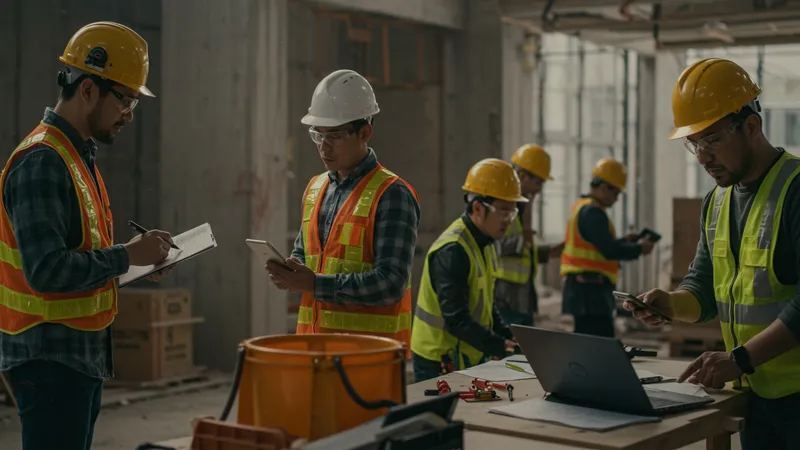
Incident reporting systems, whether digital or paper-based, allow for consistent documentation of workplace incidents and near-misses. Structured forms capture key information about the nature, timing, and conditions of each event. This data serves multiple purposes: it can highlight recurring challenges, inform root cause analysis, and provide evidence for regulatory reporting requirements. Transparency in incident reporting may also foster a culture where workers feel empowered to voice concerns and share observations.
Continuous improvement strategies involve analyzing data from monitoring and reporting processes to enhance safety outcomes. Safety committees or designated officers review trends, evaluate the effectiveness of implemented controls, and identify opportunities for adapting existing policies or training. Benchmarking against industry averages, legal requirements, and previous internal performance are common benchmarks in these evaluations. Continuous improvement is often documented in the form of periodic management reports and revised action plans.
Advances in data analytics and reporting technology may increase the timeliness and accuracy of safety performance monitoring. Integrating leading and lagging indicators—such as participation in safety meetings, completion of training modules, and frequency of reported near-misses—could help organizations anticipate and mitigate risks more proactively. Maintenance of comprehensive records supports organizational learning and demonstrates ongoing commitment to workplace safety.