
Construction Safety Program: Key Elements And Implementation Strategies

Training Methods and Competency Development in Construction Safety Program: Key Elements and Implementation Strategies
Education and training are foundational aspects of any construction safety program, serving to equip workers with the knowledge and skills necessary to operate safely. Organizations commonly use a mix of classroom-based instruction, on-site demonstrations, and computer-based modules when introducing new employees or providing refresher sessions. Instructional content generally covers topics such as safe equipment operation, use of PPE, recognizing hazards, and emergency response procedures. The aim is to build a competent workforce capable of identifying and controlling risks.
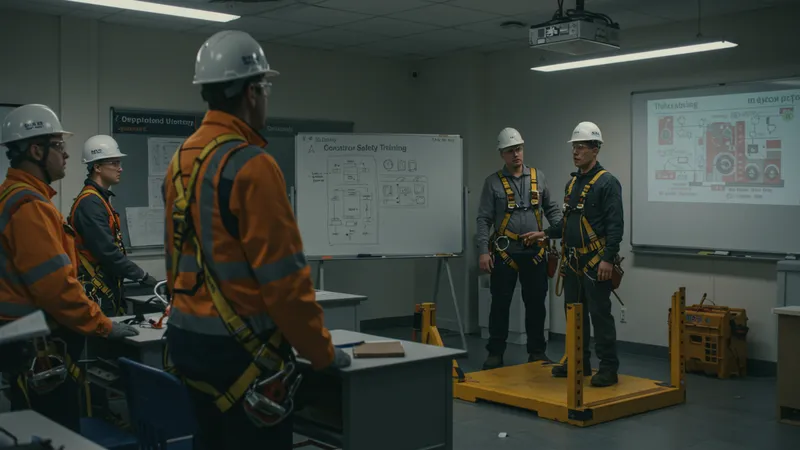
Training requirements may vary depending on regional standards, project specifics, or crew composition. In the United States, employers are often guided by OSHA’s General Industry and Construction training standards, which recommend periodic refresher courses and verification of competency. Some organizations utilize third-party training providers or certified instructors, while others opt to develop customized in-house modules to reflect unique site conditions or specialized equipment.
Competency development extends beyond initial training through ongoing assessments and skills validation. Supervisors or safety professionals may observe work tasks and conduct verbal or written evaluations to confirm retention and understanding. In certain sectors, documentation of training and competency checks is required for regulatory or insurance purposes, serving as evidence that workers have received appropriate instruction. Records management systems can support tracking and retrieval of credentials and incident histories.
Innovative approaches to training, such as interactive e-learning, virtual reality simulations, or scenario-based exercises, are becoming more common in large-scale projects. These methods may help increase engagement, accommodate different learning preferences, and simulate real-world challenges in a controlled environment. The effectiveness of training initiatives is typically evaluated through monitoring of incident rates and feedback from participants, facilitating continuous improvement of program content and delivery methods.