
Cloud Storage: Factors To Consider When Choosing A Solution

Scalability and Performance for Cloud Storage Solutions
Scalability is an attribute commonly offered by major cloud storage providers operating in the United States. Services such as Amazon S3, Microsoft Azure Blob Storage, and Google Cloud Storage are engineered to accommodate varying volumes of data, from a handful of files to petabyte-scale workloads. This elasticity means organizations can increase or decrease their usage without physically adding hardware, often through simple configurations or APIs within customer dashboards.
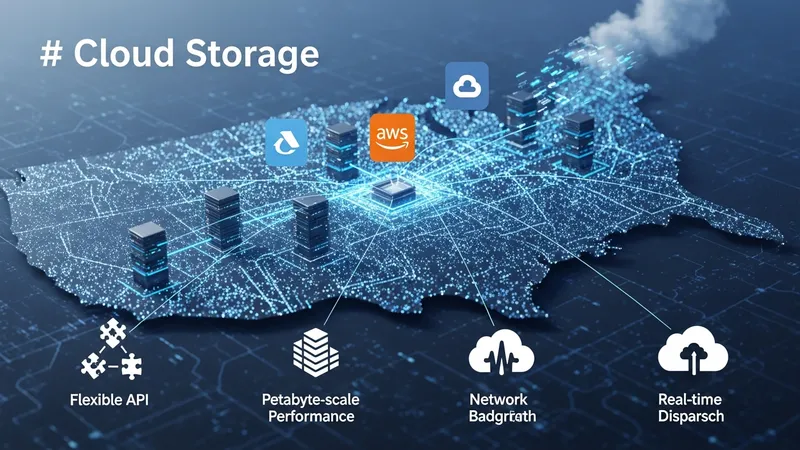
Performance in cloud storage is influenced by multiple factors, including the location of data centers within the United States, network bandwidth, and access patterns. Users may experience varied latency depending on the distance to selected data storage regions and the specific service level tier. Many providers offer guidance on optimizing performance, such as leveraging multi-part uploads or adjusting retrieval class configurations based on typical access needs.
Some storage solutions support tiered performance models, where frequently accessed files are stored in a primary class with lower retrieval latency, while archival data is sent to cost-effective, slower-access tiers. Organizations often use lifecycle policies to automate the movement of files between performance tiers, helping balance speed requirements against storage costs as information ages.
Business-critical applications may require performance guarantees. Providers typically outline service level agreements (SLAs) covering uptime percentages and response times. While absolute performance cannot be assured, these publicly available documents can help set realistic expectations. Advanced diagnostic tools and real-time metrics are available from most major cloud providers to support monitoring and troubleshooting efforts.