
Cloud Storage: Factors To Consider When Choosing A Solution

Security and Data Protection in Cloud Storage Selection
Security is a central factor for organizations evaluating cloud storage platforms. United States-based providers such as Amazon S3, Microsoft Azure Blob Storage, and Google Cloud Storage may offer strong encryption protocols by default, often utilizing AES-256 for data at rest. Many add support for SSL/TLS encryption during data transfer, helping mitigate the risk of interception. Firms conducting vendor assessments generally verify whether solutions allow granular access controls, such as identity management integration and role-based permissions.
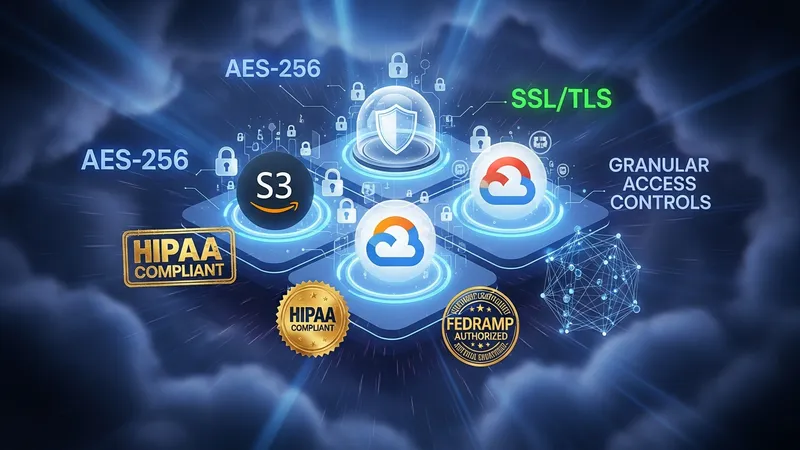
Compliance with sector-specific regulations is important for certain organizations in the United States. For example, companies working with healthcare information may prioritize services certified under HIPAA, while those dealing with federal contracts might seek FedRAMP compliance. Providers usually publish relevant audit certifications and compliance reports, which can be essential references for due diligence.
Data location also affects security and regulatory fit. Some cloud storage platforms allow customers to select the geographic region where data physically resides, such as U.S. East or U.S. West data centers. This option can impact both latency and regulatory adherence. Regular review of provider transparency reports and data handling policies is recommended as part of an ongoing risk mitigation strategy.
Redundancy, backup, and disaster recovery features vary across solutions. Leading platforms typically replicate data across multiple physical locations within a selected U.S. region, which may help with recovery following a hardware failure. The inclusion of automated backup scheduling and versioning can further support operational resilience, though these features may carry additional charges as outlined in provider documentation.