
Cardiac Surgery: Overview Of Common Procedures And Approaches

Cardiac Surgery: Operative Techniques and Intraoperative Considerations
Operative techniques in cardiac surgery range from full sternotomy access with cardiopulmonary bypass to limited incisions with port-assisted approaches. Cardiopulmonary bypass provides circulatory and respiratory support during many open procedures and involves coordination between surgeon and perfusionist for flow management and myocardial protection. Off-pump techniques attempt coronary grafting on a beating heart to avoid bypass use; descriptions often note the technical demands and patient selection considerations without asserting advantages in all contexts.
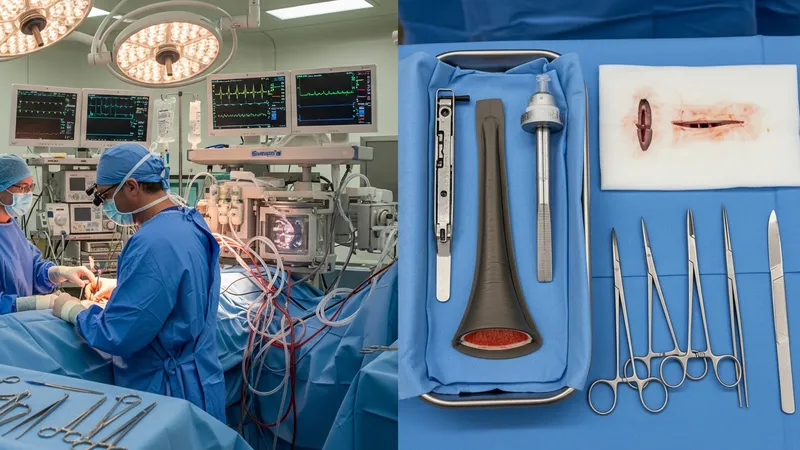
Valvular procedures can include reconstructive techniques that preserve native structures or prosthetic replacements that substitute diseased valves. Repair strategies, such as leaflet resection or annuloplasty rings, are described for specific valve pathologies, while replacement options include mechanical or tissue prostheses, each with differing downstream management implications. Such explanations typically clarify method categories and common intraoperative steps rather than suggesting a preferred choice.
Minimally invasive and transcatheter procedures involve distinct intraoperative workflows. Minimally invasive surgery may use smaller thoracotomy incisions and specialized instruments, requiring specific patient positioning and imaging support. Transcatheter approaches rely on catheter navigation and fluoroscopic or echocardiographic guidance to deploy devices via vascular access. Describing these workflows focuses on broad procedural elements and the roles of imaging and device teams rather than providing operational instructions.
Intraoperative monitoring and contingency planning are routinely described as part of safe operative practice. This includes haemodynamic monitoring, readiness for conversion from a minimally invasive to an open approach if necessary, and protocols for managing bleeding or arrhythmia. Presenting these considerations as standard planning components provides readers with a realistic sense of intraoperative complexity without offering procedural advocacy.