
Business Line Of Credit: How Quick Access Financing Works For Small Businesses

Operational use cases and monitoring practices for revolving credit
Common operational uses of a revolving facility include smoothing payroll timing differences, financing seasonal inventory buildup, and bridging invoice collection lags. Because the line can be reused after repayment, it suits situations where cash shortfalls are intermittent rather than constant. Businesses that rely on the facility often adopt internal controls to govern when draws occur, who may request advances, and how quickly excess balances are repaid once receipts arrive.
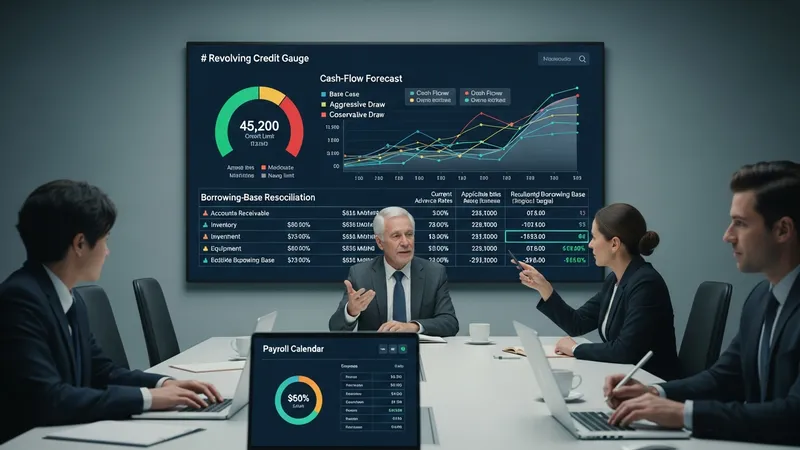
Monitoring practices often combine internal reporting with lender-required submissions such as monthly or weekly financial reports. Automated cash-flow forecasting that models draw scenarios may help manage interest exposure by minimizing unnecessary usage. For asset-secured lines, regular reconciliation of receivables and inventory against the borrowing base is typically required and may involve threshold tests that affect available credit in real time.
Risk management considerations include stress-testing liquidity under adverse revenue conditions and ensuring covenant compliance over forecast periods. Businesses may maintain contingency plans that identify alternative financing actions or temporary cost reductions if utilization increases beyond planned levels. Transparency with the lender about significant operational changes can also affect the facility’s stability and the prospects for limit increases or renewals.
Integration with treasury and accounting systems can reduce administrative friction and improve visibility into outstanding balances and incurred fees. Some providers offer online portals with real-time balance and transaction displays which may simplify draw requests and repayments. Firms should weigh the convenience of access methods against pricing and reporting requirements when choosing a provider to ensure the facility aligns with operational workflows.