
Business Line Of Credit: How Quick Access Financing Works For Small Businesses

Cost components and typical pricing patterns for revolving credit
Effective cost for a revolving facility is the sum of stated interest, margin, and ancillary fees spread across expected utilization. Aside from interest on drawn amounts, commitment fees may apply to unused portions, and administration fees can be charged for renewals or covenant waivers. Pricing patterns often correlate with the borrower’s credit profile and whether collateral is provided. In many markets, smaller unsecured lines carry higher margins and may include tiered pricing structures based on utilization bands or covenant performance.
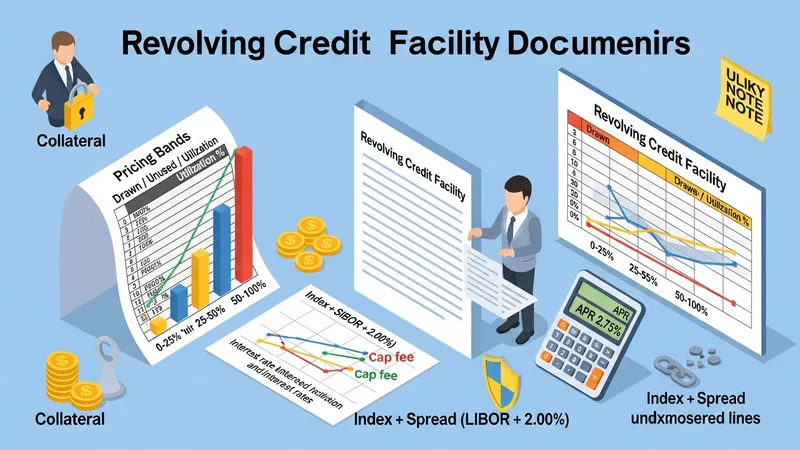
Interest-rate mechanics frequently reference a published index plus a spread; some lenders offer fixed-rate options or caps for a fee. Daily interest accrual and monthly billing are common, and borrowers may encounter compounding effects if interest is not paid timely. To estimate annualized cost, businesses often simulate expected draw levels and durations over a typical business cycle, accounting for periodic fees that become more significant when utilization is low.
Operational charges can be material in total cost calculations. Examples include processing or renewal fees, field examination expenses for collateral inspections, and fees for borrowing base determinations. These items may be one-time at origination or recurring. When comparing providers, isolating recurring versus one-time costs can provide a clearer view of ongoing affordability and whether a facility aligns with projected cash-flow patterns.
Credit line pricing can also be influenced by broader market conditions such as prevailing interest rates and liquidity in the lending sector. During periods when reference rates move, variable-rate lines will reflect those shifts. Lenders may adjust margin requirements in response to perceived risk changes. Therefore, evaluating cost sensitivity to rate movements and scenario-testing for higher-rate environments can be informative for planning purposes.