
Broadband Internet: Exploring Connection Types For Homes And Businesses

Installation and Equipment Considerations for Broadband Internet Access
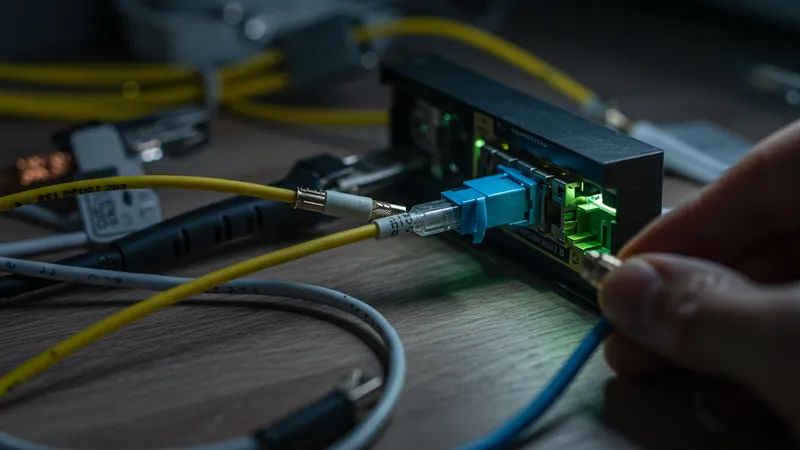
Setting up broadband internet connections for homes or businesses generally involves coordination between service providers and users to install the necessary infrastructure. Fiber optic broadband typically requires dedicated fiber lines to the premises and specialized optical network terminals, which can involve more complex and time-intensive construction, especially for new deployments.
DSL and cable installations usually leverage existing copper telephone or coaxial television cables, allowing for more straightforward activation in locations already served by these networks. Subscribers are often provided with compatible modems and may connect their own routers to distribute the connection internally. The ease and duration of setup may vary depending on prior wiring and compatibility with existing infrastructure.
Satellite broadband installations require outdoor antennas, often mounted with a clear view of the sky to communicate with satellites. Technicians may assist with the alignment and activation process. Fixed wireless installations also involve mounting external equipment, generally on rooftops or towers within sight of local transmitters. These steps can be completed relatively quickly if line-of-sight conditions are met and service is available.
Users considering broadband connections should review equipment requirements, including ongoing maintenance responsibilities and warranty or support arrangements offered by providers. The need for professional installation, hardware rental or purchase, and periodic upgrades can influence the overall investment required for broadband connectivity, both initially and over time.