
Breast Cancer Treatment Options: Overview Of Available Approaches

Systemic Treatment Modalities Within Thailand’s Breast Cancer Care Framework
Systemic therapies form a substantial aspect of breast cancer treatment in Thailand. These include chemotherapy, hormone therapy, and molecularly targeted therapies. Used according to tumor subtypes and disease progression, these methods aim to address cancer cells that may have reached beyond the original tumor site. Treatment protocols in Thai medical centers typically adhere to national and international evidence-based guidelines, with modifications for local context.
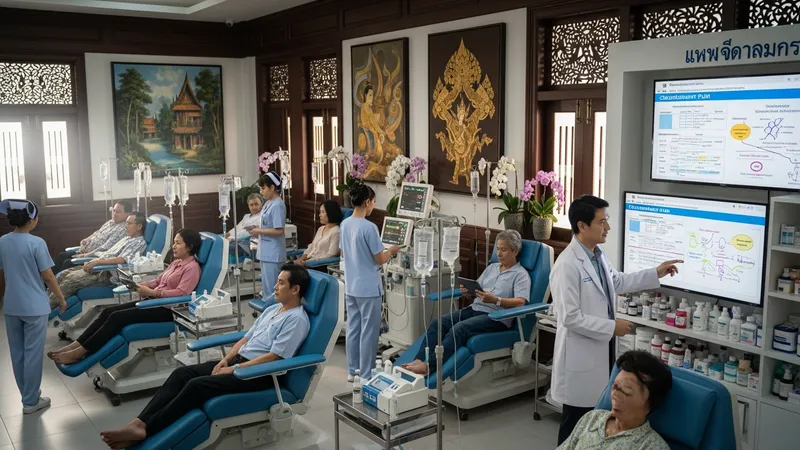
The Thai Universal Coverage Scheme and Social Security Scheme provide access to several essential cancer medicines, which may include standard chemotherapy agents as well as agents like trastuzumab for certain types of breast cancer. However, not all targeted therapies may be included in basic coverage, and the cost can vary in private healthcare settings. Studies in Thailand frequently assess both access to medicines and the impact of financial considerations on patient choices.
Research institutions across Thailand, such as Mahidol University and Chulabhorn Research Institute, are engaged in clinical studies investigating the outcomes and side effects of systemic therapies within the Thai population. Questions of effectiveness, tolerability, and the most practical integration with other treatments are central to ongoing research efforts. Monitoring long-term results provides data that may help refine future national guidelines.
Supportive care during systemic therapy in Thailand focuses on managing side effects and maintaining patient well-being throughout treatment. Multidisciplinary teams often devise supportive measures tailored to individual risk profiles. Resources such as patient information leaflets and counseling services aim to foster informed participation in care, consistent with Thai healthcare policies and patient-centered models.