
Breast Cancer Treatment Options: Overview Of Available Approaches

Development and Use of Radiation Therapy in Thailand’s Breast Cancer Treatment Options
Radiation therapy plays a central role in breast cancer management across Thailand. Often administered after surgery, its primary purpose is to reduce the likelihood of local recurrence by targeting any remaining cancer cells in the breast or regional lymph nodes. The majority of large Thai hospitals, such as Siriraj Hospital and Ramathibodi Hospital, possess facilities for delivering conventional external beam radiation as well as more advanced techniques like intensity-modulated radiotherapy (IMRT).
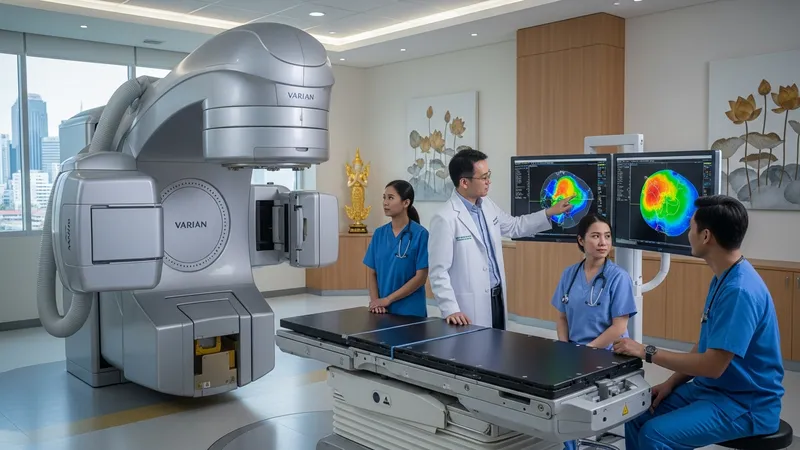
Research efforts in Thailand are directed toward optimizing radiation schedules and minimizing potential side effects. Studies frequently assess outcomes such as skin changes or fatigue, aiming to tailor regimens for Thai patient populations with consideration for genetic or lifestyle factors unique to the region. Professional societies in Thailand, including the Thai Society for Therapeutic Radiology and Oncology, contribute to the development of guidelines that reflect evolving evidence.
Accessibility to radiation therapy has grown in recent years due to increased investment in public healthcare infrastructure. The Thai Ministry of Public Health has expanded radiation services to regional hospitals, reducing travel requirements for patients residing outside major urban centers. This enhanced distribution aims to promote early intervention and equitable access across provinces.
Patient support during radiation therapy in Thailand typically includes counseling, information about what to expect during sessions, and guidance on managing temporary side effects. Thai oncology nurses and social workers may provide further assistance, helping individuals and families navigate treatment schedules and support services. Continuous evaluation of patient feedback assists in improving overall care delivery.