
Breast Cancer Treatment Innovations: Advances In Personalized Medicine

Integration of Targeted and Immune-Based Therapies
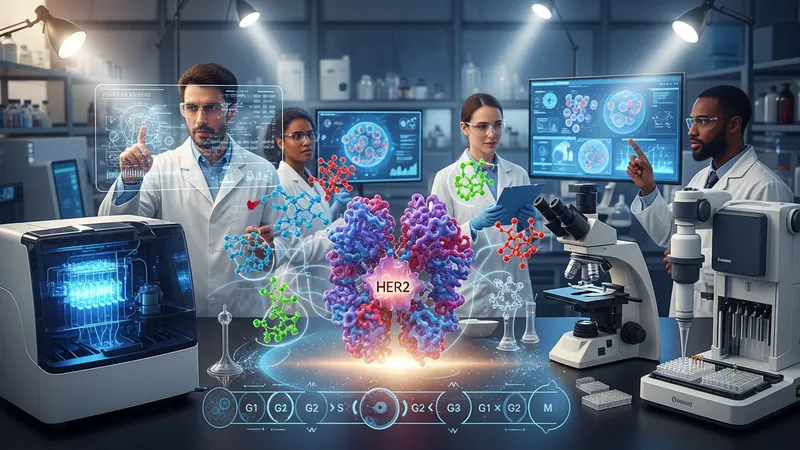
Targeted therapies have transformed breast cancer intervention by focusing on particular molecules involved in cancer growth or survival. Examples include medications that block the activity of HER2 proteins or disrupt the cell cycle, which can be especially useful for patients whose tumors display defined molecular features. Precise eligibility for these agents commonly depends on thorough laboratory profiling.
The introduction of immune-based therapies, such as checkpoint inhibitors, has extended the potential scope of advanced breast cancer management. These agents function by reducing barriers encountered by immune cells when recognizing malignancy. Careful patient selection based on molecular or protein biomarkers is fundamental to optimizing the applicability and safety of immune-based options.
Combining targeted and immune therapies is an area of ongoing research, with some studies investigating how these modalities may be sequenced or administered together. Integration of diverse treatment arms can offer the flexibility to address complex tumor features as they evolve over time. This multidisciplinary perspective is increasingly reflected in formal treatment protocols as new evidence emerges.
Potential side effects and varying degrees of efficacy remain important considerations when integrating precision agents with traditional approaches. Routine monitoring, supported by laboratory and clinical observations, is generally recommended to personalize regimens further. The next section considers minimally invasive strategies that complement systemic therapies in the broader management of breast oncology.