
Breast Cancer Treatment Innovations: Advances In Personalized Medicine

Personalized Diagnostics for Breast Cancer Management
Diagnostic advances in breast oncology underscore the shift toward personalized management by leveraging high-resolution imaging and molecular profiling. Sophisticated diagnostic tools, such as next-generation sequencing and advanced imaging modalities, can detect specific genetic alterations within tumors. These diagnostic tests typically guide therapy selection by revealing actionable targets, supporting both early identification and precise treatment matching.
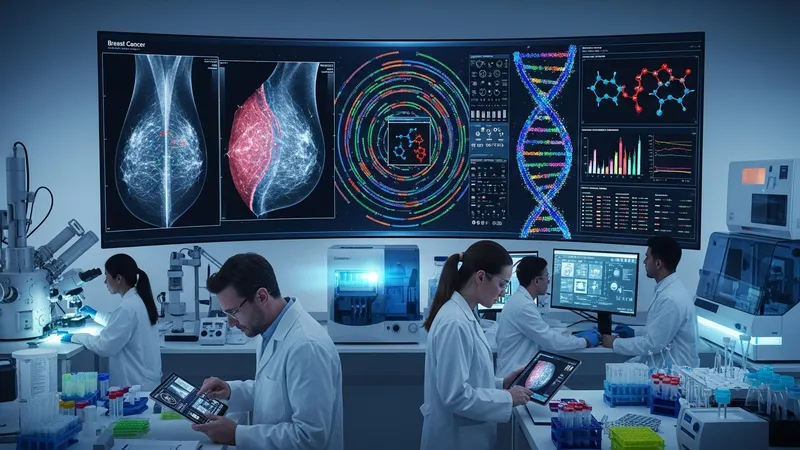
Molecular diagnostics are increasingly employed in clinical settings to evaluate biomarkers like hormone receptor status, HER2 expression, and additional genetic mutations. Such assessments inform not only the potential responsiveness to certain treatments but also the risk of recurrence or progression. Laboratories often use standardized protocols to analyze tissue samples, providing clinicians with data to shape individualized management plans.
Non-invasive or minimally invasive sampling methods, such as liquid biopsies, are emerging as acceptable ways to monitor disease status in some contexts. These tests analyze circulating tumor DNA or cells found in blood samples, offering potential for less discomfort and repeat testing. Specific applications may include detecting secondary changes or emerging resistance, although further research continues regarding their optimal integration into routine care.
Overall, personalized diagnostics contribute significantly to the broader aim of tailoring therapy approaches. By offering a more accurate understanding of tumor biology and its evolution over time, these tools enable ongoing adjustments to care in response to new clinical information. The following page discusses how such diagnostics interact with emerging therapies in practice.