
Bookkeeping Software: Understanding Core Modules For Small Business Accounting

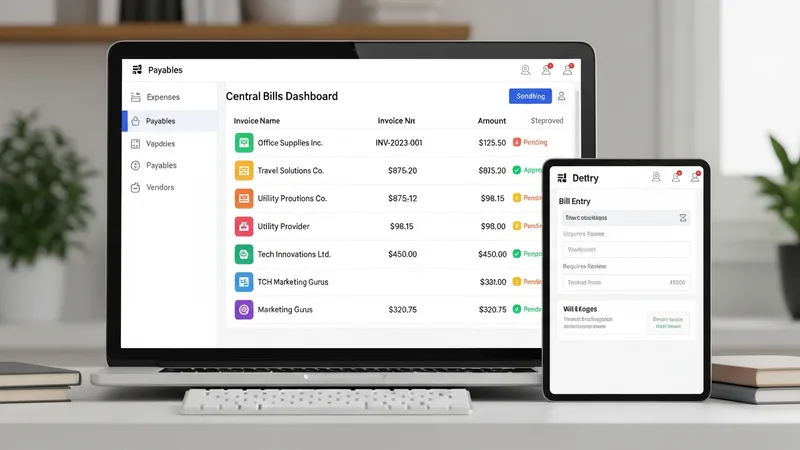
Bookkeeping Software: Expense Tracking and Payables Details
Expense tracking modules record supplier invoices, staff reimbursements, and other outflows that affect cash positions. Features commonly include vendor records, bill entry forms, categorization fields tied to the chart of accounts, and attachment storage for receipts or invoices. For many small entities, consistent categorization in the expense module helps maintain reliable expense reporting and reduces the time required for month-end review and classification.
Payables workflows usually involve bill entry, approval (when applicable), scheduling of payments, and posting to the ledger. Some systems permit batch payment preparation and the export of payment files for banking tools, while others rely on manual payment actions performed outside the bookkeeping system. Companies often implement simple approval thresholds so that higher-value bills receive additional review, and configurable workflows in the payables module can reflect those thresholds without mandating a single approach.
Record-keeping best practices often suggest attaching digital copies of receipts and invoices to entries in the expense module. This practice may aid in audit readiness and in responding to inquiries about specific transactions. Additionally, categorization tied to tax-related account codes can simplify reporting for tax preparation, though businesses typically confirm specific tax treatments with a qualified advisor rather than relying solely on module defaults.
Expense modules may also support employee reimbursements and petty cash management. Reimbursement workflows can include submission of receipt images, manager approval, and payment posting. Petty cash handling in the module often uses a fund-account approach where periodic reconciliations ensure recorded disbursements match the remaining physical cash. These features can reduce paperwork while still preserving audit trails if set up with clear procedural notes and periodic reviews.