
Biofouling Resistant Water Treatment Systems: How Advanced Technologies Reduce Contamination And Maintenance

Advanced Membrane Materials for Reducing Biofouling in Mexico
Membrane technologies have an important role in water treatment processes, especially in desalination and wastewater recycling in Mexico. Advanced membrane materials are formulated to resist fouling by integrating properties such as increased hydrophilicity and smoother surfaces. These characteristics may reduce microbial colonization and slow biofilm formation compared to conventional polymer membranes, thus potentially increasing operational periods between scheduled cleanings. Results from academic collaborations in Mexican universities highlight ongoing research into material choices for optimized anti-biofouling performance.
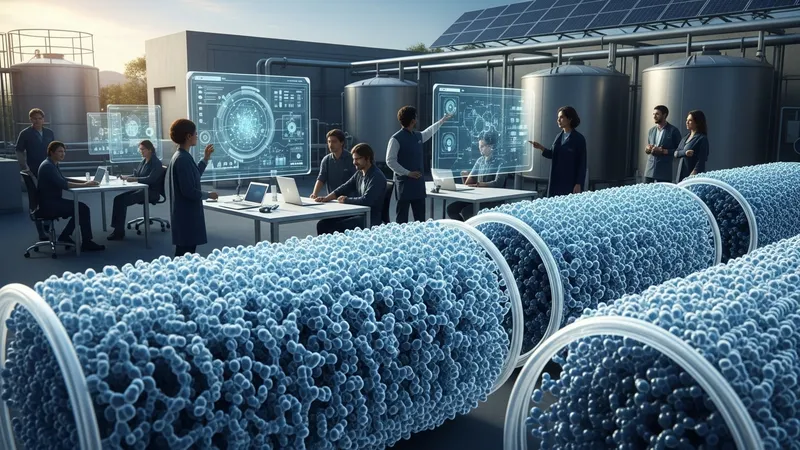
Examples of such advanced membranes used in Mexican systems include those with graphene oxide or nanoclay reinforcement, which can alter surface energy and limit organic adhesion. Additional surface modifications, such as grafting hydrophilic chains onto membrane polymer backbones, are also explored in pilot projects in the northern and southern regions of Mexico. Pilot data suggest that these novel membranes may maintain higher permeate fluxes over longer periods under typical municipal loading conditions, though full-scale deployments remain under evaluation in many cases.
Integration of advanced membranes often involves balancing initial investment with anticipated gains in cleaning intervals and system reliability. While these membranes may have a higher up-front cost compared to standard options, reduced cleaning frequency and prolonged membrane life may contribute to long-term cost stability. Economic assessments by Mexican water boards frequently reference operational savings as a context for technology selection, while cautions are given about variability caused by local feedwater quality and infrastructural compatibility.
Manufacturers commonly coordinate with Mexican utilities and research institutions to conduct site-specific pilot studies. Data from these studies are publicly discussed in technical conferences and published in academic outlets. Such open collaboration aims to tailor membrane properties to match the region’s diverse water chemistries, such as those found in arid northern states versus tropical coastal areas. Broader adoption of new membrane materials may depend on regulatory acceptance and demonstrated longevity under Mexican system conditions.