
Biofouling Resistant Water Treatment Systems: How Advanced Technologies Reduce Contamination And Maintenance

Antifouling Coatings in Water Treatment System Design (Mexico Context)
Antifouling coatings offer a passive line of defense against biofouling in water treatment facilities by altering the surface characteristics of treated parts. In Mexico, these coatings may be used in both public and industrial water infrastructure to reduce organic buildup and help maintain hydraulic performance. Typical formulations rely on low-surface-energy polymers that decrease microbial adhesion, making it more difficult for algae, bacteria, and other organisms to establish colonies on key surfaces. The coatings themselves do not replace cleaning protocols but may help reduce their frequency when used as part of a broader maintenance plan.
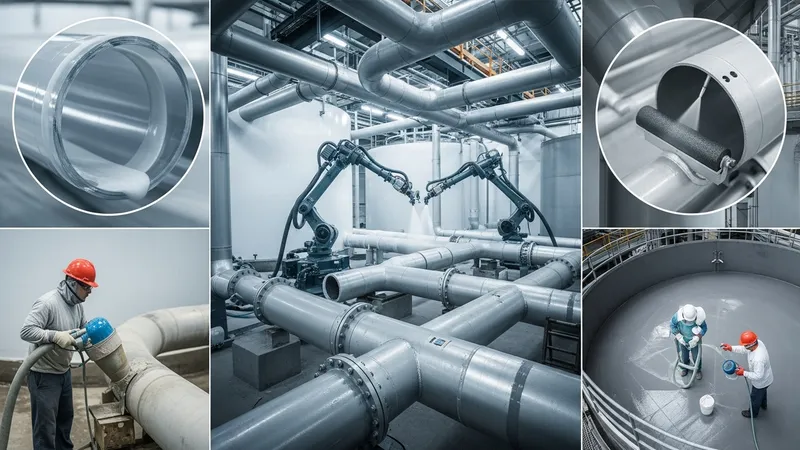
Available antifouling products in Mexico can differ based on regulatory approvals and supplier partnerships. Silicone-based and fluoropolymer-based coatings are frequently selected due to their chemical stability and relatively long service intervals. The coatings are usually applied to pipe interiors, membrane modules, and storage tanks, providing a hydrophobic barrier. Implementation often includes pre-application surface preparation, which may involve mechanical abrasion or chemical cleaning to improve adhesion and effectiveness. This process is detailed in technical guidebooks disseminated by Mexico’s water quality authorities.
Performance monitoring is an essential aspect when deploying antifouling coatings in Mexican water treatment plants. Facility operators commonly collect data on biofilm presence, flow rates, and cleaning intervals to assess the coatings’ contributions. Adjustments are typically made over several months, using empirical results to justify re-coating schedules or to select among available commercial products. Industry roundtables, such as those organized by the Asociación Nacional de Empresas de Agua y Saneamiento de México (ANEAS), often discuss comparative results without promoting a specific brand or method.
The costs of implementing antifouling coatings can vary significantly, depending on the application scale, type of coating, and need for labor or preparatory steps. Publicly available estimates from Mexican infrastructure tenders indicate a wide range—general costs may be quoted on a per-square-meter basis and typically include materials, labor, and follow-up inspections. While more expensive coatings may be considered for high-fouling-risk regions, cost-effectiveness evaluations often influence procurement decisions. System designers weigh these expenses against long-term maintenance budgets and water quality objectives.