
Battery Storage Innovation: Key Trends And Technological Advances

Battery Storage Innovation: Technology and Chemistry Developments
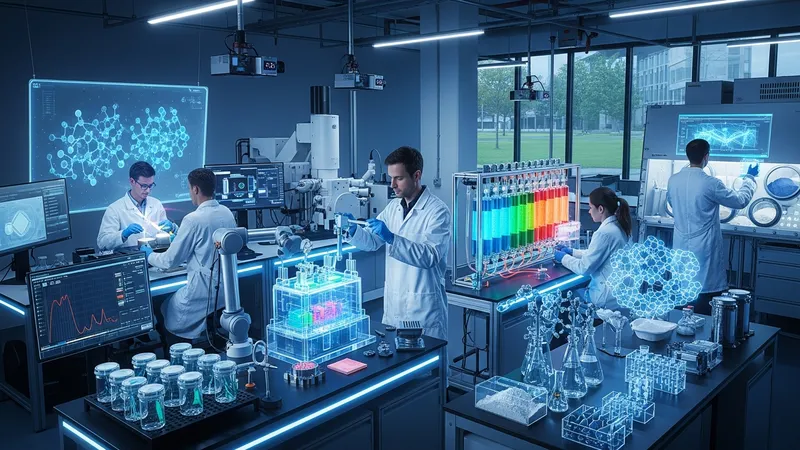
Technological advancements in battery chemistries are significant drivers of innovation in Dutch energy storage systems. In the Netherlands, efforts are focused on enhancing existing lithium-ion technologies and investigating alternative chemistries, such as sodium-ion and flow batteries. These developments may enable higher energy densities, longer operating cycles, and improved safety profiles. Researchers at institutions like TNO are actively working on material optimization and cell architecture, aiming to address both performance and sustainability objectives.
Battery system safety remains an essential consideration in all stages of technological development. Dutch regulatory standards guide the selection of cell materials, thermal management strategies, and system-level controls. By focusing on reliable containment and controlled charging or discharging, developers can minimize risks associated with overheating or short-circuiting. Adherence to safety standards is vital for widespread deployment of larger and more complex battery arrays in public or industrial settings.
Another area of interest is the recyclability and resource efficiency of battery materials. Projects in the Netherlands frequently examine options for reusing or recycling critical elements, such as lithium and cobalt, to reduce environmental impact. Research typically investigates the lifecycle of batteries, from initial construction through to end-of-life management, ensuring that advances in storage technology do not introduce new sustainability challenges.
Continued work on performance metrics, including charging rates and capacity retention, guides the commercial adaptation of new battery chemistries. This process often involves pilot installations, such as those initiated by TNO and other collaborative entities. By monitoring operational performance under Dutch grid conditions, stakeholders can generate valuable data for scaling up from demonstration to market-ready solutions.