
Automotive Sales: Key Trends Shaping Buying Behavior In Retail

Omnichannel Retailing and Its Impact on Automotive Sales Experiences
Omnichannel retailing in automotive sales integrates digital touchpoints with physical dealership interactions, aiming to create a consistent and flexible purchase journey. This approach may involve online research, virtual consultations, in-person vehicle inspections, and options for either at-home or dealership delivery. By allowing customers to transition smoothly between digital and real-world steps, retailers can address shifting consumer expectations for convenience, personalization, and safety.
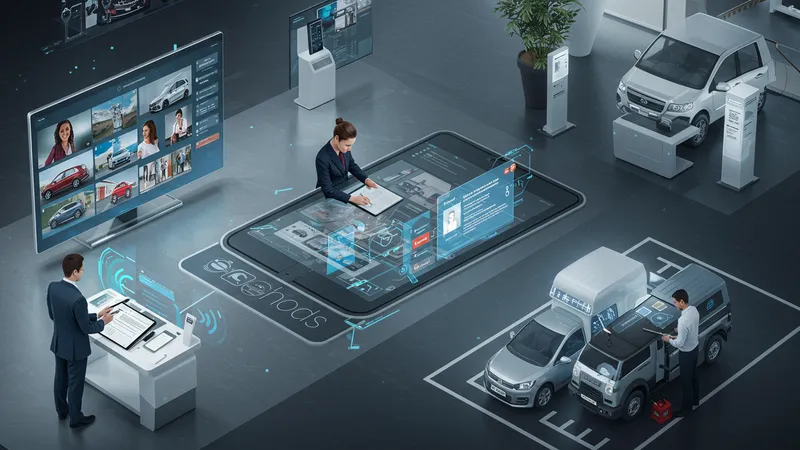
Many automakers and retail groups are restructuring their processes to support omnichannel engagement. This can include offering live video consultations, digital document signing, and remote test drive arrangements. Customers who prefer face-to-face experiences can still visit showrooms, while those seeking digital options may complete significant portions of the transaction remotely. The ability to tailor the path to purchase supports a range of preferences and can expand customer reach.
Omnichannel approaches may face operational challenges, such as integrating inventory management across multiple sales channels and training sales teams to handle both online and in-person inquiries. Retailers typically invest in software platforms and cross-channel communication tools to maintain consistency in information provided to buyers. Balancing these considerations is crucial for delivering a positive and efficient retail experience.
Consumer acceptance and satisfaction with omnichannel models can vary, according to industry studies. Individuals prioritizing convenience and reduced human contact may prefer digital-heavy experiences, while others may value opportunities for physical inspection and discussion before making decisions. As the automotive sector continues to evolve, a flexible strategy that adapts to customers’ specific needs is likely to remain important.