
Automotive Sales: Key Trends Shaping Buying Behavior In Retail

Influence of Electrification on Retail Automotive Sales Behavior
The rising prevalence of electric and hybrid vehicles is one of the most notable shifts in recent automotive retail behavior. As vehicle manufacturers expand their model ranges to include more eco-friendly alternatives, customer interest in alternative powertrains is growing. Many buyers are considering factors such as typical charging availability, battery range, and potential government incentives when making their decisions.
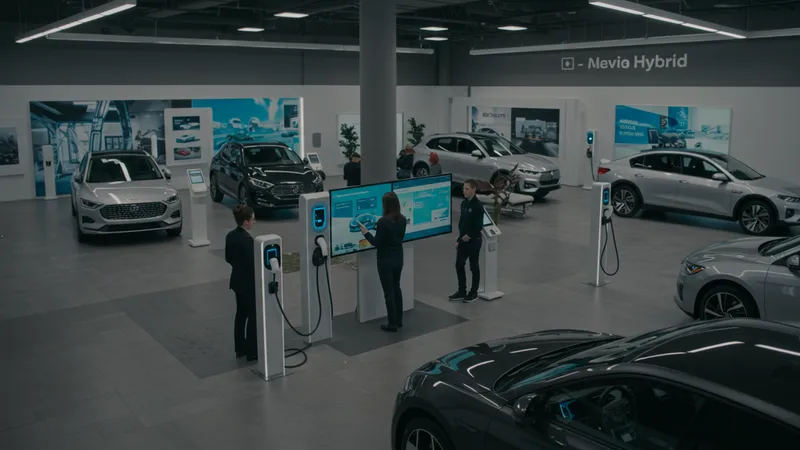
Retailers are responding to this trend by equipping sales teams with training on electric vehicle features and maintaining up-to-date inventories. Websites often present side-by-side comparisons of fuel economy and estimated operational costs to assist buyers in making informed choices. Availability of charging infrastructure and clarity around service requirements can also play a role in guiding customer preferences within the retail environment.
It is important to note that while the upfront price for many electric vehicles may be higher than conventional models, total cost of ownership can vary depending on local fuel prices, access to charging, and possible rebates. Real-world price ranges remain broad, typically from about $30,000 up to $80,000 and above, subject to feature selection and market region. Customers may find it useful to analyze operational expenditure over longer time spans to evaluate their options.
Manufacturers and industry groups are developing resources to increase public awareness of electric vehicle benefits and limitations. Initiatives such as test drive events, online informational hubs, and dealership partnerships with charging network providers are becoming more commonplace. While these approaches help support knowledge transfer, the pace of electrification adoption continues to be shaped by evolving market conditions and individual buyer needs.