
Automotive Sales: Exploring Shifts In Consumer Buying Behavior

Sustainability and Environmental Factors in Buying Decisions
Growing interest in sustainability is shifting the focus of automotive sales toward vehicles with lower environmental impact, such as electric and hybrid models. This trend reflects increased consumer concern for emissions reduction, government initiatives promoting cleaner technology, and a wider selection of models available from established manufacturers. The adoption of green vehicles forms a core component of evolving automotive sales strategies.
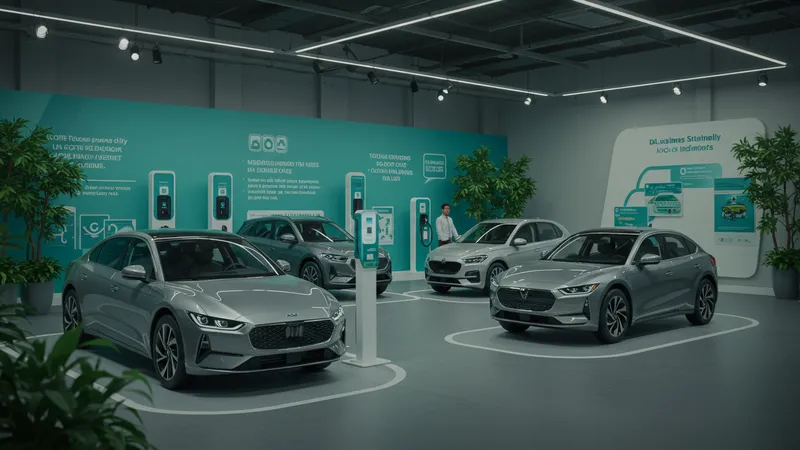
Policy incentives, such as tax credits or infrastructure investments for charging stations, may encourage more buyers to consider electric vehicles. Additionally, a rising number of consumers are researching not just the up-front price, but the long-term cost savings associated with fuel efficiency and lowered maintenance needs typical of electric drivetrains. Automotive sales personnel and platforms are increasingly providing detailed information about these benefits.
Automotive sales data suggest that while total market share for electric vehicles is still developing in many regions, growth rates have accelerated in recent years. Factors influencing adoption include improvements in vehicle range, charging convenience, and decreasing battery prices. However, infrastructure limitations and higher initial costs can remain obstacles for some consumers.
Sustainability concerns may also shape the marketing strategies employed by dealerships and manufacturers, who are providing more transparent information on vehicle emissions, life-cycle impacts, and recycling initiatives. These factors are becoming central to the narrative around automotive sales, especially as regulatory expectations evolve and more environmentally conscious buyers enter the market.