
Automotive Sales: Exploring Shifts In Consumer Buying Behavior

Ownership Models Impacting Automotive Sales
Alternative ownership models, including leasing, car subscriptions, and shared mobility, are playing a greater role in shaping automotive sales dynamics. Leasing typically appeals to consumers seeking updated vehicles every few years with potentially lower monthly payments, while subscriptions offer bundled services like maintenance and insurance for a set fee. Car-sharing and ride-hailing platforms present further alternatives, particularly in urban environments where full vehicle ownership may not be practical.
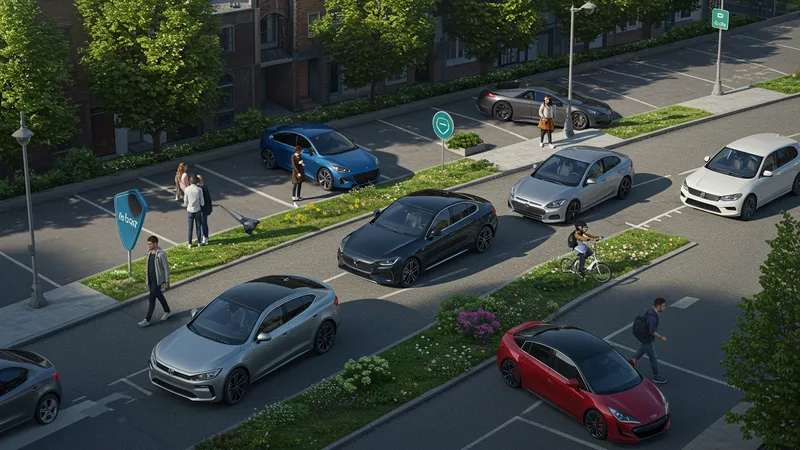
The flexibility provided by these models can make automotive sales more accessible to those with changing transportation needs or shorter planning horizons. Consumers opting for leasing or subscription-based models often prioritize minimizing long-term commitments and upfront costs. These models can also help drivers adapt to evolving technology, such as switching to electric or hybrid vehicles with greater ease.
Automotive manufacturers and service providers are expanding their programs to accommodate preferences for flexibility, introducing pilot projects or partnerships with technology companies. Pricing and terms typically vary based on vehicle type and service level, with some offerings specifically designed to attract younger or urban consumers seeking alternatives to traditional ownership.
While alternative models are gaining attention, traditional purchase and financing options remain significant. Consumer decisions may reflect a combination of financial considerations, driving habits, and growing exposure to newer mobility solutions. Automotive sales strategies are adapting to present a broader range of options and better align with the diversity in consumer behavior.