
Automobile Innovations: Advancements In Vehicle Technology And Design

Benefits and Challenges of Automobile Innovations
Automobile technology innovations typically offer benefits such as improved fuel efficiency, reduced emissions, and enhanced safety for vehicle occupants and other road users. Electric vehicles commonly produce lower tailpipe emissions compared to traditional combustion-powered cars, supporting broader environmental sustainability goals. Driver assistance and autonomous features can also contribute to reducing traffic accidents by compensating for human errors under certain conditions.
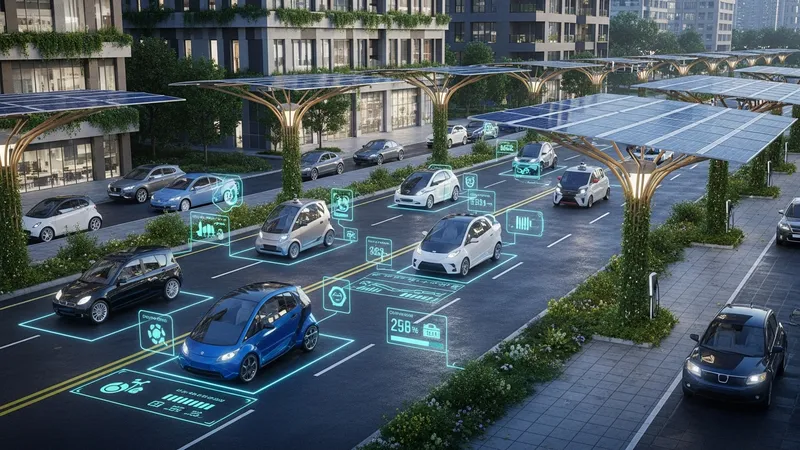
Despite these advantages, challenges persist in the widespread adoption of new vehicle technologies. For electric vehicles, issues include access to charging infrastructure, high battery production costs, and ongoing concerns about resource supply for critical components. Automated driving technologies also raise questions about regulatory alignment, liability, and cybersecurity.
Shared mobility solutions, while offering efficient transportation options, may present logistical and operational challenges. Factors such as urban density, user acceptance, and integration with existing public transportation networks affect the success of these platforms. Addressing these complexities can require cooperation among technology providers, municipal authorities, and transportation planners.
Additionally, consumer education and trust play significant roles in the acceptance of vehicle innovations. Users may take time to adapt to new interfaces, automation levels, or charging routines. Manufacturers and policymakers frequently provide guidelines and systematic rollouts to ensure a smooth transition toward advanced vehicle designs and functionalities.