
Automobile Innovations: Advancements In Vehicle Technology And Design

Key Features Shaping Modern Vehicle Technology and Design
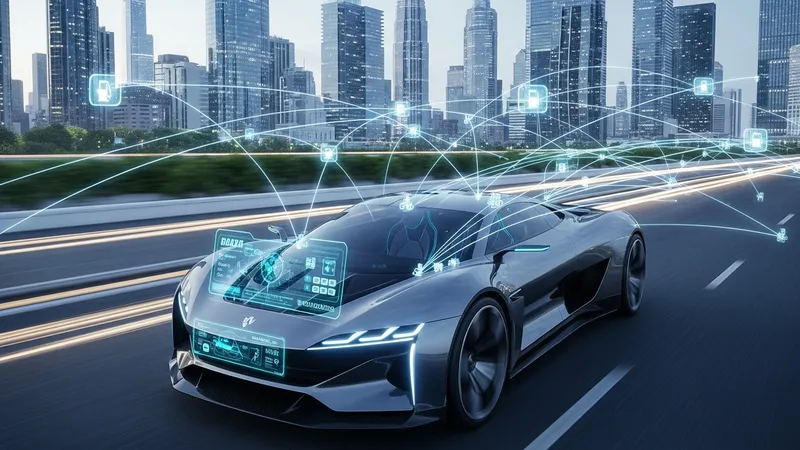
Modern automobile innovations are often characterized by integration of digital connectivity, advanced materials, and efficient energy management systems. Digital connectivity, for instance, enables vehicles to communicate with external networks, providing navigation updates, diagnostics, and entertainment features. This element is central to enhancing the overall driving experience and can make vehicles safer and more efficient by providing timely information to both drivers and support systems.
Advanced materials such as high-strength steel, aluminum alloys, and carbon fiber composites are increasingly used in vehicles to reduce weight without sacrificing structural integrity. Lighter vehicles generally require less energy to operate, which may result in enhanced fuel economy or extended electric driving range. Material choices can also affect costs and recyclability, which are factors manufacturers consider during vehicle development.
Efficient energy management is another notable feature in contemporary automobile design. For electric vehicles, battery thermal regulation, energy recuperation from braking, and intelligent energy allocation to various systems can play essential roles in improving range and longevity. Similarly, for conventional vehicles, innovations in engine efficiency and hybrid systems have become common ways of reducing fuel consumption and emissions.
Autonomous driving features rely heavily on advances in sensor technologies and artificial intelligence. Sensors such as lidar, radar, and cameras are used to perceive the environment, while onboard processors interpret this data to support real-time decision making. These technologies are part of a broader trend toward increasing automation and are typically introduced in phases, allowing the public and policymakers to adapt progressively to higher levels of vehicle autonomy.