
Automated Ultrasonic Testing: Principles And Methods Explained

Industrial Applications and Context of Automated Ultrasonic Testing in Mexico
Automated ultrasonic testing is frequently utilized across several industrial sectors in Mexico, including oil and gas, automotive manufacturing, aerospace, and infrastructure development. In oil and gas, automated UT is typically applied to monitor pipeline conditions, weld integrity, and corrosion without interrupting operations. Mexican companies operating refineries or transport networks often integrate automated inspections to support maintenance and regulatory compliance under standards like PEMEX’s internal protocols.
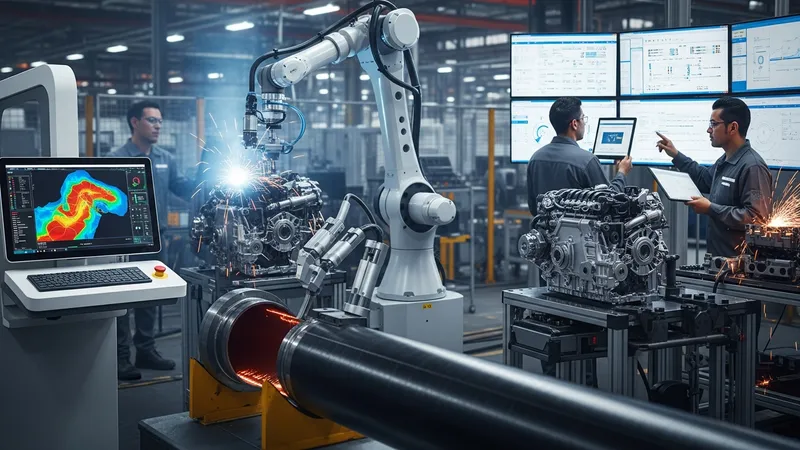
The automotive manufacturing sector in Mexico employs automated ultrasonic testing to analyze engine components, chassis elements, and metal parts for structural soundness. Automation facilitates high-throughput inspection on assembly lines, ensuring materials conform to industry specifications. Mexican manufacturing clusters around states like Guanajuato and Nuevo León have reported using these systems in quality control stages to meet export quality requirements.
Aerospace and defense industries apply automated UT to critical components where safety margins are stringent. Mexican suppliers may use phased array techniques to evaluate composite materials and metallic structures. Inspection data contributes to certification processes governed by national authorities such as the Agencia Federal de Aviación Civil (AFAC).
Infrastructure projects in Mexico, including bridges and buildings, utilize automated ultrasonic testing to monitor the integrity of steel reinforcements and concrete inclusions. This non-invasive evaluation can assist engineers in assessing degradation levels over time. Integration of automated UT into maintenance programs enables systematic data collection supporting infrastructure safety evaluations aligned with Mexican construction regulations.