
Automated Ultrasonic Testing: Principles And Methods Explained

Equipment Components and Configurations in Automated Ultrasonic Testing
Automated ultrasonic testing setups generally comprise several key components including ultrasonic transducers, a scanning mechanism, control electronics, and data acquisition software. In Mexican industries, device configurations may vary to accommodate different inspection scales and material types, typically balancing cost and functionality. The transducer choice often reflects the frequency range suited for material thickness and expected defect types. Scanners might be gantry-based for flat samples or robotic arms for complex geometries, both programmed to maintain consistent probe positioning.
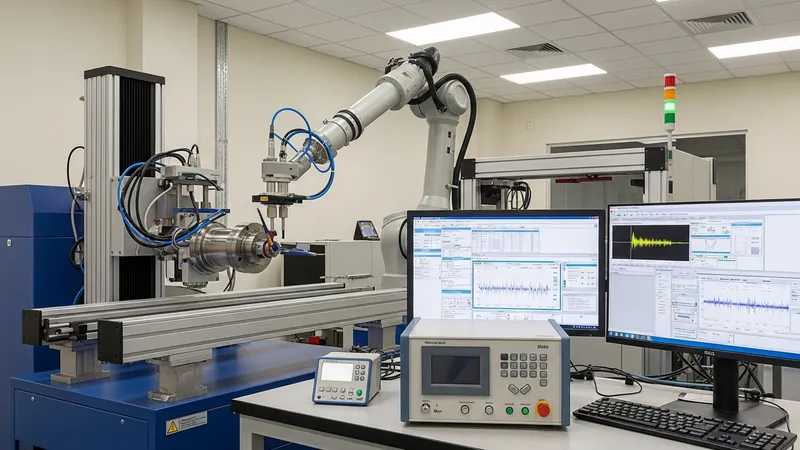
Control units are responsible for generating ultrasonic pulses and interpreting returned signals. These units usually enable real-time adjustment of parameters like pulse repetition frequency and gain, allowing adaptation during live inspections. Data acquisition systems connected to these controls compile the echo data for further processing. Mexico-based manufacturers or service providers frequently specify conformance with local standards issued by entities such as the Secretaría de Economía to ensure measurement reliability and consistency within their operational contexts.
The software interfaces provide automation features including predefined scanning sequences and automated defect recognition algorithms. These capabilities can handle data from multiple channels simultaneously in phased array systems, assisting operators in managing large volumes of inspection data. System integration with plant quality control information networks is common in Mexico’s manufacturing environments, allowing inspection results to influence broader asset management decisions. Nonetheless, interpretation of signals requires understanding domain-specific factors such as material anisotropy prevalent in local steel structures.
Component configurations can differ based on the sector and inspection objectives, with petrochemical facilities possibly using higher frequency probes for detailed weld inspections, whereas heavy machinery manufacturers might prioritize thicker probe capabilities for bulk material. Power supply stability and environmental conditions in Mexican industrial sites also influence system design choices. Equipment configurations are thus adapted locally to align with typical inspection scenarios encountered in different regions of the country.