
Automated Lead Generation: How Businesses Use Technology To Capture And Qualify Prospects

Legal, privacy, and compliance considerations in the United States
US federal and state regulations affect automated lead capture and handling. At the federal level, the FTC provides guidance on deceptive practices and data collection transparency; advertisers and marketers in the United States commonly reference that guidance when designing consent and disclosure flows. In addition, the Telephone Consumer Protection Act (TCPA) impacts certain outreach methods; organizations that use automated dialing or text messages typically review TCPA implications and preserve consent records associated with each captured contact.
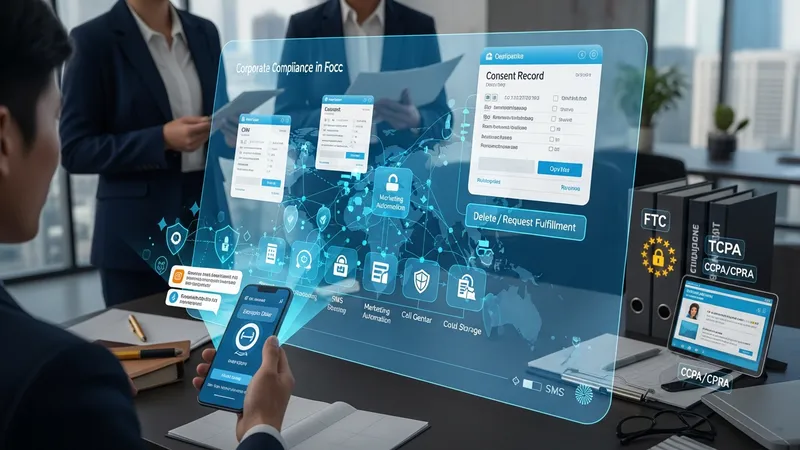
State laws such as the California Consumer Privacy Act (CCPA) and California Privacy Rights Act (CPRA) introduce requirements for consumer access and deletion requests that may apply to US-based businesses collecting personal information. Automated lead systems should retain provenance metadata indicating when and how consent was obtained and provide mechanisms for fulfilling data subject requests. Teams commonly map data flows to identify which systems hold personal data and how requests can be executed across those systems.
Email and commercial messaging are also regulated. The CAN-SPAM Act sets requirements for commercial email content and opt-out mechanisms in the United States, and automated systems that send follow-up messages typically include unsubscribe handling and suppression lists. Organizations often implement automated suppression syncing so that opt-out signals from one channel are respected across outbound platforms, reducing the risk of regulatory complaints.
Recordkeeping, vendor agreements, and security assessments are practical considerations for compliance. When US organizations use third-party enrichment or capture services, they often execute data processing agreements that define responsibilities for data handling and breach notification. Regular reviews of vendor practices, retention schedules for captured data, and access controls help ensure that automated lead pipelines align with legal and organizational privacy expectations.