
Automated Lead Generation: How Businesses Use Technology To Capture And Qualify Prospects

Types of automated lead capture used in the United States
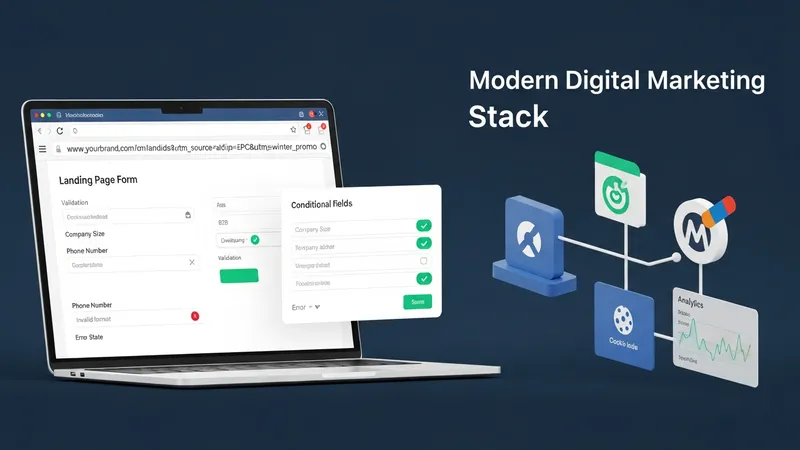
Web forms remain a foundational method for capturing leads; they can be embedded on corporate pages or deployed on dedicated landing pages. In the US context, forms are often paired with UTM parameters and cookie-based tracking so that marketers can attribute submissions to specific campaigns. Form builders from US vendors may include conditional fields and validation rules to improve data quality at entry. Organizations frequently balance the number of required fields against friction—shorter forms may capture more submissions, while longer forms may yield higher-quality entries depending on the audience.
Interactive capture channels such as chatbots and conversational landing pages are increasingly used by American firms to engage visitors and obtain qualifying details. Chat tools can present branching questions and populate lead records automatically; when integrated with CRMs, these interactions can create immediate tasks for sales staff. Chat-based capture may be particularly useful on mobile, where users prefer conversational input, but it also requires clear mapping of replies to standardized fields so subsequent automation can process records consistently.
Advertising platforms provide direct capture alternatives, for example lead form extensions in search and social ads. In the United States, advertisers may use Google Ads lead forms or social-platform lead ads to collect contact details without sending users to a separate page. These channels can increase convenience for the user, and automated exports or API integrations enable rapid ingestion into CRM systems. Teams should confirm that export mappings preserve consent metadata and source attribution when ingesting these leads.
Event and offline capture methods also feed automated pipelines in US operations. Registration data from webinars, trade show badge scans, and phone lead transcriptions can be uploaded or streamed into lead systems. Automated reconciliation processes are often used to deduplicate entries originating from different capture modes. When planning capture types, organizations in the United States typically consider the intended follow-up cadence and available integration points to ensure a single prospect view.