
Automated Dimensional Inspection: Key Processes And Techniques Explained

Quality Control Workflow Integration Using Automated Dimensional Inspection
Automated dimensional inspection systems often form integral parts of manufacturing quality control workflows. Inspection results are typically benchmarked against tolerances or specifications established during product design and process planning. These acceptance criteria define whether components meet dimensional requirements or may require rework or rejection.
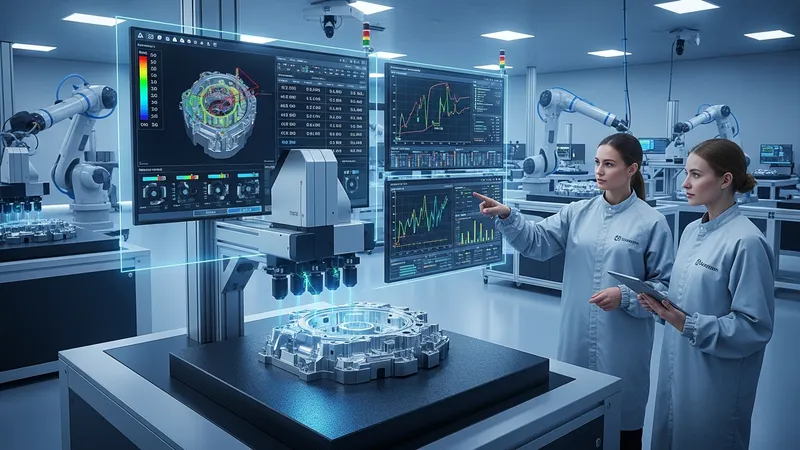
Inspection data can be collected on a sampling basis or for comprehensive part evaluations, depending on manufacturing volume and quality risk assessments. When integrated with statistical process control systems, dimensional data helps identify trends or potential process deviations early in production runs. This enables manufacturers to address manufacturing variability proactively.
Data reporting features commonly include trend analyses, deviation highlighting, and detailed measurement records that support traceability and compliance documentation. Some systems can automatically flag out-of-spec conditions, although decisions regarding disposition typically involve human verification in production environments.
The workflow integration also considers the impact of inspection cycle times and system interface compatibility with manufacturing execution systems (MES). Proper synchronization helps avoid bottlenecks while maintaining effective quality monitoring. As automated inspection technology evolves, its collaboration with broader quality management frameworks continues to develop, aiming to enhance manufacturing consistency without adding undue complexity.