
Artificial Intelligence In Breast Cancer: Applications In Diagnostic Processes

Workflow Support and Efficiency in AI for Breast Cancer Diagnosis
AI systems are increasingly utilized as workflow support tools within breast cancer diagnostic pathways. By pre-analyzing images and highlighting areas for radiologist review, these solutions can contribute to more structured prioritization of cases within clinical settings. Some platforms include functionalities to flag exams that may benefit from additional human oversight or expedited follow-up, potentially addressing common bottlenecks in imaging departments.
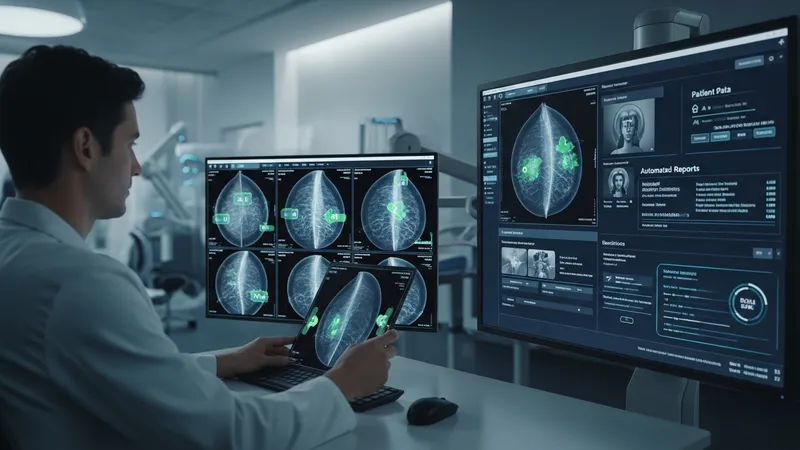
Administrative support is another area where AI can play a role. For example, automated data entry and report generation features are incorporated into certain AI-powered platforms. This may reduce manual data handling, freeing clinicians to focus on patient-facing responsibilities. Efficiency gains typically depend on the degree of interoperability with electronic health record (EHR) systems and the alignment of AI outputs with clinical documentation standards.
In multi-site healthcare networks, AI-assisted workflow tools can facilitate centralized triage of breast imaging cases. Images received from various facilities are pre-screened using standardized AI protocols, which may assist in distributing workload or balancing case review timelines. Such centralization is often governed by policy frameworks that prioritize patient privacy and data security.
It is important to note that while AI systems are designed to optimize workflow, final clinical interpretation remains the responsibility of healthcare professionals. Ongoing training and quality assurance are typically maintained to ensure that human oversight remains central in all diagnostic decisions where AI is applied.