
App Development: Lifecycle, Methodologies, And Common Tools

Deployment, Maintenance, and Tooling in App Development: Lifecycle, Methodologies, and Common Tools
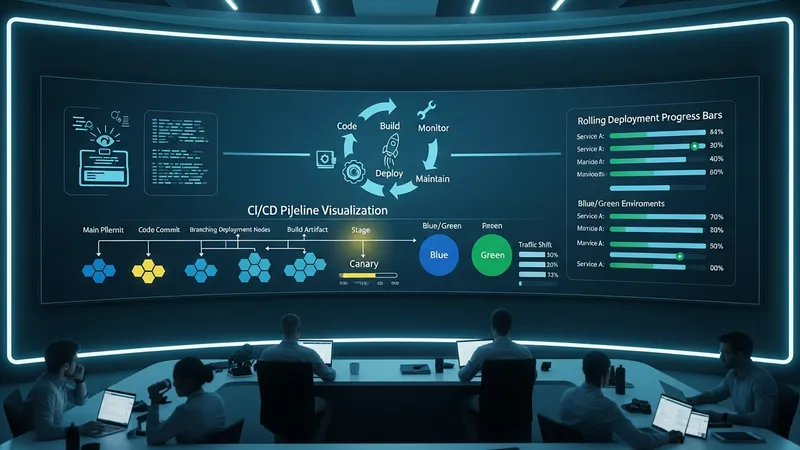
Deployment and ongoing maintenance conclude the primary lifecycle loop and are supported by tooling that addresses release automation, monitoring, and configuration management. DevOps practices typically emphasize automated deployments and infrastructure as code so environments can be reproduced and changes tracked. Continuous deployment approaches may push changes frequently to production-like environments, while controlled release strategies such as canary releases or blue-green deployments may be used to reduce exposure when risk is higher.
Operational observability includes logging, metrics, and tracing, which together provide runtime visibility into application health and user experience. These signals often feed back into backlog items for bug fixes or performance tuning. Incident management practices and post-incident reviews can reduce recurrence of failures and inform future design decisions. Maintenance tasks such as dependency updates, security patches, and performance optimizations are ongoing responsibilities that may be scheduled into regular cycles or handled as part of continuous work.
Tooling choices for deployment and maintenance often include container orchestration platforms, configuration management tools, and cloud service providers. Teams may evaluate trade-offs between managed services that reduce operational burden and self-managed infrastructure that offers more control. Backup and recovery strategies, access controls, and audit logging are operational considerations that can affect compliance and risk profiles. The selection of automation and monitoring tools may be guided by team skill sets, cost considerations, and integration capabilities with existing pipelines.
Maintenance and evolution of an application typically require intentional planning for technical debt, modularity, and documentation. Code refactoring, retired features, and upgrade paths for dependencies may be scheduled to avoid long-term degradation. Documentation that includes architecture diagrams, runbooks, and interface contracts often supports faster incident resolution and onboarding of new contributors. Over time, measuring user behavior and operational metrics can inform prioritization of maintenance versus new feature work, helping teams align investments with product goals and stability needs.